Choosing the best Ladies Polo Shirts from China requires more than comparing prices on a supplier page. Fabric composition, stitching, sizing consistency, and factory transparency matter equally. A crisp collar should recover after washing. Side seams should remain straight, not twist toward the back.
China remains a major global clothing exporter, according to the World Trade Organization’s World Trade Statistical Review. The International Trade Centre’s Trade Map also shows China’s strong position across knitted apparel exports. These reports explain the country’s manufacturing scale, but scale does not guarantee quality. That distinction is important. Some factories produce refined cotton piqué for established brands, while others rely on thin blends and rushed finishing.
Orsola de Castro, founder of Fashion Revolution, said, “The most sustainable garment is the one already in your wardrobe.” Her observation offers a useful standard for Ladies Polo Shirts. A durable shirt worn for years may be more responsible than a cheaper replacement bought repeatedly. The Ellen MacArthur Foundation’s circular fashion research similarly emphasizes longer product use, repair, and better material choices.
This guide will examine Chinese polo shirt suppliers through an evidence-based lens. It will consider cotton quality, recycled fibers, GSM weight, colorfastness, embroidery accuracy, minimum order quantities, and production audits. Supplier reviews and certificates can help, but they are not perfect proof. A document may be current while the actual batch changes.
The best choice is therefore not always the cheapest. It is the shirt that balances comfort, appearance, durability, and dependable sourcing. Small details reveal the difference: reinforced buttons, clean neck tape, and a hem that stays flat after washing.
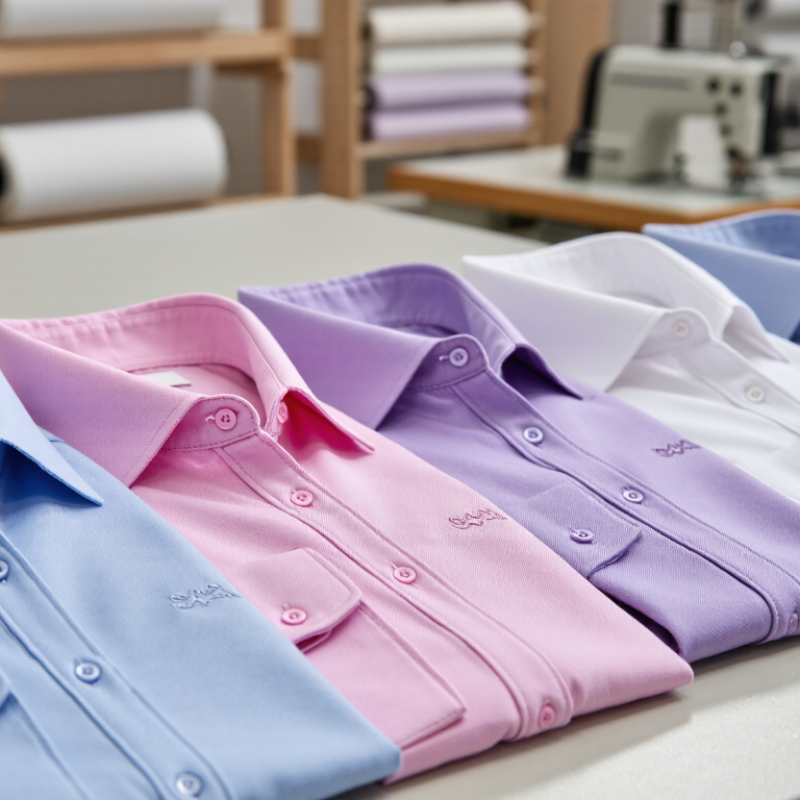
A ladies polo shirt from China stands out when comfort, structure, and consistency work together.
The WTO’s World Trade Statistical Review 2023 reported that China supplied about 31.7% of global clothing exports in 2022. That scale supports broad fabric access and specialized production. However, scale alone does not guarantee quality.
A well-made polo should feel smooth at the collar and flexible across the shoulders. A 200–240 GSM cotton blend can provide shape without feeling heavy. Moisture management also matters in warm workplaces and outdoor settings.
Textile Exchange’s Materials Market Report 2024 estimated global fiber production reached 124 million tonnes in 2023, with polyester representing about 57%. This explains the popularity of quick-drying blends, but recycled content still needs verification through credible certificates and traceable records.
Fit is the real test. The armhole should not pull when the wearer reaches forward, and the hem should sit flat after washing. Quality teams should check shrinkage, colorfastness, seam strength, and collar recovery before bulk production. Small details matter.
The weak point is inconsistency. A sample may look excellent, while later batches show uneven stitching or different measurements. Clear specifications, pre-production samples, and independent inspections reduce that risk. Buyers should also question vague sustainability claims. Evidence matters more than polished wording.
For Chinese ladies’ polo shirts, fabric choice should match climate, movement, and washing habits. Combed cotton piqué remains a dependable option for daily wear. Its small textured loops allow airflow and give the shirt a structured appearance. It feels soft against the skin. However, pure cotton may shrink or wrinkle after repeated washing. That weakness matters in uniforms and busy wardrobes.
A cotton-polyester blend often offers better shape retention and faster drying. A 60/40 blend can feel breathable while reducing creases and shrinkage. Polyester content also supports brighter colors after frequent washing. For humid regions, moisture-wicking polyester can improve comfort during commuting or outdoor work. It may feel less natural, though. Fabric quality varies widely, even when the fiber percentages look identical. Do not trust the label alone.
During sample checks, rub the collar and underarm area repeatedly. Look for pilling, loose yarns, and color transfer on a white cloth. A fabric around 180–220 GSM usually balances coverage and summer comfort. Lighter fabric can feel cooler but may show body lines. Heavier fabric looks polished but can feel warm. Request shrinkage, colorfastness, and pilling test results from the Chinese supplier. Still, laboratory data cannot replace a real wash test. Wash one sample several times. Inspect it under daylight.
Choosing ladies’ polo shirts from China starts with comparing suppliers, not browsing product photos. The WTO’s World Trade Statistical Review 2023 reported that China supplied about 31% of global textile and clothing exports in 2022. This scale can support competitive pricing and flexible production. It does not guarantee consistent quality. I compare manufacturers using one specification sheet. It includes fabric composition, GSM, collar construction, shrinkage limits, colorfastness, size tolerance, MOQ, and lead time. A supplier providing measured values feels more reliable than one promising “premium quality.” Request a pre-production sample. Wash it three times. Check collar recovery, seam puckering, and button attachment. I once approved a bright sample before checking shade variation across a larger dye lot.
Tips: Compare at least three factories with identical requirements. Ask for recent test reports, factory audit records, and production photos with visible dates. Verify whether the listed factory actually owns its sewing lines. A trading supplier may still be useful, but its production control needs closer checking. Textile Exchange’s Materials Market Report 2024 estimated global fiber production reached 124 million tonnes in 2023, with polyester representing about 57%. Therefore, confirm recycled-content claims through recognized certification, not labels alone. Also compare fabric weights carefully. A lower GSM shirt may look cheaper but wear faster. One overlooked detail is packaging pressure, which can flatten collars during shipping. Discuss folding methods and carton limits before placing an order. Lead-time promises also deserve skepticism, especially before seasonal demand. Ask for a realistic production calendar, including fabric booking and final inspection.
The best ladies’ polo shirts from China are not defined by one cut. They work when style, fabric, and fit match a woman’s routine. For office wear, a semi-fitted polo with a shaped waist looks polished without feeling restrictive. A longer back hem offers coverage when sitting or reaching. Choose cotton-modal blends for softness, or combed cotton for a firmer, breathable feel. Small details matter. A flat collar should recover after washing, while covered seams reduce rubbing around the neck.
Women with fuller busts often need extra room across the chest, not simply a larger size. A two-button placket can prevent pulling and allow easier movement. Curved side seams may create shape without clinging to the stomach. For active days, a lightweight cotton-polyester blend dries faster than pure cotton. However, too much polyester can feel warm in humid weather. Test it personally. Petite wearers usually suit shorter hems and narrower shoulders, while tall women may prefer extended lengths and deeper armholes. Chinese supplier size charts can vary, so compare garment measurements with a favorite shirt.
For relaxed weekends, an oversized polo with dropped shoulders gives an easy silhouette. It should still have a neat collar, or the shirt can look untidy. For uniform programs, consistent color, reinforced buttons, and colorfast fabric deserve careful checking. I would request a sample before ordering in volume. Photos can hide uneven stitching, slight twisting, or fabric that pills after washing. My judgment is not flawless, either. One fit can feel elegant on one body and awkward on another, so wear testing remains essential.
How to read the chart: The figures show practical recommended wearing ease around the bust, measured in centimeters. Wearing ease is the additional room added to body measurements for comfort and movement.
Close-fit polos suit streamlined office outfits, while regular-fit polos offer a versatile balance for everyday wear. Relaxed-fit polos are more suitable for active use, layering, and hot-weather comfort.
These ranges follow common apparel fit conventions and should be checked against each garment’s actual size chart, fabric stretch, and construction.
When checking ladies’ polo shirts from China, start with fabric and construction, not photos. Ask for the fiber content, fabric weight, and shrinkage test. Combed cotton feels soft, while cotton-polyester blends often hold shape better after washing. A practical range is about 180–220 GSM for everyday wear. Check the collar carefully. It should lie flat and recover after stretching. Inspect the placket, buttons, sleeve hems, and side seams for loose threads or uneven stitching. Request a physical sample before placing a larger order. Photos can hide small problems.
Pricing depends on fabric, order quantity, colors, decoration, packaging, and delivery terms. Compare quotations line by line. A low unit price may exclude embroidery, custom labels, or shipping. Ask about minimum order quantities and sample fees. Confirm whether the price changes with different sizes or colors. Customization can include fabric color, collar contrast, woven labels, hangtags, embroidery, and printed artwork. Send a clear measurement chart and artwork file. One mistake is approving a sample without testing washing and colorfastness. The sample may look excellent, yet shrink slightly after laundering.
Tips: Measure five shirts from the same sample. Check seam strength. Ask for a pre-production sample. Record every approved detail in writing. Do not rely on verbal promises alone. Allow extra time for revisions, because custom details sometimes need correction. A realistic inspection plan should include measurements, fabric composition, color, stitching, labels, and packaging before shipment.
Comfort, structure, and consistent production matter most. A smooth collar and flexible shoulders improve daily wear. Scale helps, but scale alone proves nothing.
A 200–240 GSM cotton blend often balances shape and comfort. Lighter fabric may feel cool but wear faster. Very heavy fabric can feel stiff.
Check the armhole while reaching forward. The hem should remain flat after washing. Try the shirt after three washes, not only before shipping.
Check shrinkage, colorfastness, seam strength, and collar recovery. Inspect button attachment closely. Small failures become expensive later.
Give every supplier the same specification sheet. Include fabric composition, GSM, measurements, tolerance, minimum order quantity, and lead time. Measured answers are more useful than “premium quality.”
Request a pre-production sample and approve written measurements. Use independent inspections before shipment. A good sample can still hide later stitching problems.
Request recognized certificates and traceable production records. Do not trust a recycled label alone. The paperwork may be incomplete.
Discuss folding methods and carton limits before ordering. Excessive pressure can flatten collars during transit. I might overlook packaging if focused only on fabric.
No. Ask for a calendar covering fabric booking, sewing, inspection, and shipment. Seasonal demand can create delays. Leave some practical time for surprises.
Choosing the best Ladies Polo Shirts from China involves more than comparing prices. High-quality options stand out through careful stitching, durable construction, comfortable fabrics, and consistent sizing. Cotton, cotton blends, polyester, and performance materials each offer different benefits, from softness and breathability to moisture management and easy care. The right choice depends on the intended use, climate, and wearer preferences.
Buyers should compare manufacturers and suppliers by reviewing their production capabilities, quality-control procedures, communication, delivery reliability, and experience with international orders. Style and fit are equally important, with tailored, relaxed, slim, and extended-size options serving different body shapes and needs. Before placing an order, evaluate fabric samples, size charts, product details, pricing structure, minimum order quantities, and customization services such as colors, embroidery, labels, and packaging. A balanced assessment helps buyers select comfortable, attractive, and dependable Ladies Polo Shirts that match their quality and budget requirements.