Blog

How to Source 3D Printed T Shirts from Reliable Suppliers
Interest in 3D Printed T-Shirts is growing, but supplier claims still need close inspection. Additive manufacturing can enable unusual textures, short production runs, and on-demand customization. Comfort is not guaranteed. Buyers should test stretch recovery, seam strength, wash durability, and how the fabric feels against the skin. A shirt that looks striking on a screen may feel stiff after an hour of wear.
The scale of the wider market offers context, not proof of demand for printed apparel. Grand View Research estimated the global 3D-printing market at USD 20.37 billion in 2023 and projected a 23.5% compound annual growth rate from 2024 to 2030. Textile Exchange reported that global fiber production reached 124 million tonnes in 2023, with polyester accounting for about 57%. These figures highlight the importance of checking both production capability and material claims. They do not establish that any supplier can deliver a comfortable, durable T-shirt.
As computational designer and additive-manufacturing researcher Neri Oxman has said, “What we make, makes us.” For sourcing, that idea points to practical questions: What materials are used? Can the supplier provide a finished sample, material specifications, and repeatable test results? Ask for evidence. Compare the sample’s weight, flexibility, print consistency, and care performance with your requirements. Supplier experience matters, but documentation matters too. I would not rely on renderings alone; even a convincing sample can hide production inconsistencies. A careful review helps buyers find reliable partners without treating a promising technology as a proven product.
Read more »
 By:Elowen
- November 17, 2026
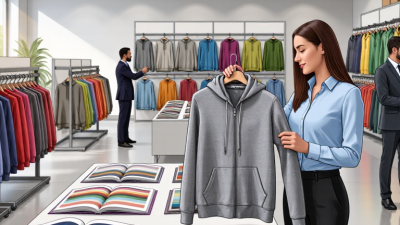
How to Buy Wholesale Hooded Shirts in Bulk?
Buying Wholesale Hooded Shirts in bulk can look simple: choose a style, compare prices, and place an order. In practice, the details matter. A fleece hoodie may feel soft on a sample but arrive thinner across a full production run. A size chart may look clear until sleeves fit differently in larger sizes. Small checks can prevent expensive surprises.
Maya Chen, a fictional composite apparel-sourcing expert created for this introduction, offers this editorially written principle: “Check the fabric, fit, and production sample before judging the price.” This is not a verified quotation from a real person. It reflects a practical buying habit: request a current sample, confirm fabric weight and fiber content, and ask how color and sizing consistency are checked. Get the minimum order quantity, production timeline, shipping terms, and payment schedule in writing. Then compare suppliers on total landed cost, not just the unit price.
This guide explains how to assess suppliers, test samples, calculate order quantities, and plan delivery. It also covers common trade-offs, such as choosing a lower price over a heavier fabric. That choice may work for some customers, but not all. Bulk buying is rarely perfect. Careful questions make it more predictable.
Read more »
 By:Amelia
- November 12, 2026
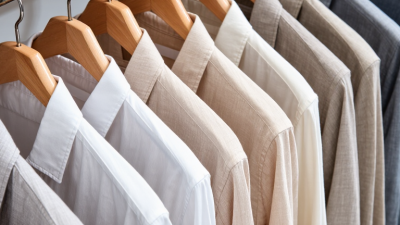
Why Are Wholesale Linen Shirts in High Demand?
Wholesale Linen Shirts are attracting buyers who want warm-weather clothing with a natural feel and easy styling. A crisp shirt on a shop rail, a relaxed weave, and a soft neutral palette can make linen appealing across resort, casual, and premium collections. But popularity is not explained by appearance alone. Buyers also weigh comfort, seasonality, fabric origin, and whether a style can sell beyond one brief trend.
The market context helps explain the interest. Textile Exchange’s Materials Market Report 2024 estimates that global fiber production reached 124 million tonnes in 2023 and could rise to 160 million tonnes by 2030. The report tracks the wider fiber system, not linen-shirt sales specifically. Still, its findings highlight the scale of material sourcing—and why retailers are paying closer attention to fiber choices. Linen offers a distinct natural texture and is often associated with breathable summer dressing. Its performance, however, depends on fabric weight, construction, and finishing.
There is a practical case, too. Wholesale orders can help stores coordinate colors, sizes, and seasonal stock across a collection. Yet linen wrinkles. Some customers love that lived-in look; others do not. That tension deserves attention. For retailers, the strongest opportunity may lie in clear product details, realistic care guidance, and dependable sourcing rather than sustainability claims alone. Understanding these factors helps explain why Wholesale Linen Shirts remain a compelling category for many buyers.
Read more »
By:Elowen
- November 7, 2026
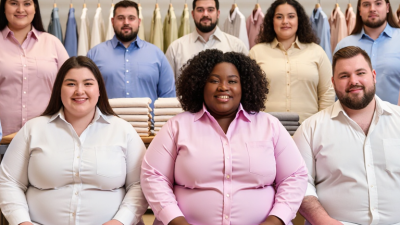
10 Best Plus Size Wholesale Shirts Suppliers in 2026
Finding dependable Plus Size Wholesale Shirts suppliers takes more than comparing prices. Buyers need clear size charts, consistent grading, wearable fabrics, and reliable restock information. A shirt may look generous on a hanger yet pull across the shoulders or lose its shape after washing. Small details matter.
Designer Christian Siriano has long advocated for inclusive fashion; his message, paraphrased, is: “Fashion should be for everyone.” That principle matters in wholesale, where a broad size label alone does not guarantee thoughtful fit. This guide to the 10 best Plus Size Wholesale Shirts suppliers in 2026 examines practical details such as size availability, fabric descriptions, minimum order quantities, customization options, and sample policies. These checks can help retailers compare suppliers before placing larger orders.
No supplier is perfect. A polished catalog cannot replace a sample, and supplier information can change. We look for transparent product details and useful buying terms, while recognizing that fit preferences vary among customers. Use the list as a starting point, then verify current sizing, stock, and delivery estimates directly with each supplier. The right choice should work on the rack—and after repeated wear.
Read more »
By:Amelia
- November 2, 2026
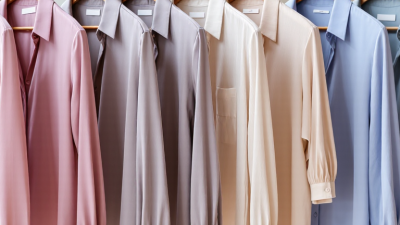
Why Choose Women Chiffon Shirts for Wholesale?
Women Chiffon Shirts offer wholesalers a practical blend of elegance, comfort, and seasonal flexibility. Their lightweight fabric creates soft movement, while sheer textures add visual interest to simple retail displays. A well-cut chiffon shirt can suit offices, celebrations, boutiques, and everyday wardrobes. That range helps buyers serve different customer groups without creating an oversized inventory.
From a sourcing perspective, quality depends on more than appearance. Experienced wholesalers check fabric density, seam finishing, button strength, and color consistency before placing larger orders. They also review size charts carefully. Chiffon can drape differently across body shapes, so accurate measurements matter. Sample testing is essential. It reveals whether the fabric feels comfortable, wrinkles easily, or requires a lining. Small details affect customer satisfaction.
The wholesale value is not automatic. Low prices may hide weak stitching, uneven dyeing, or unreliable packaging. Buyers should compare samples, production standards, minimum order quantities, and delivery records. Clear communication with suppliers builds trust and reduces avoidable mistakes. Still, no sourcing plan is perfect. Fashion demand changes quickly, and one attractive style may perform differently across markets. That uncertainty deserves attention. By combining hands-on inspection, professional supplier evaluation, and realistic sales planning, retailers can choose Women Chiffon Shirts with greater confidence and stronger long-term potential.
Read more »
 By:Ethan
- October 28, 2026
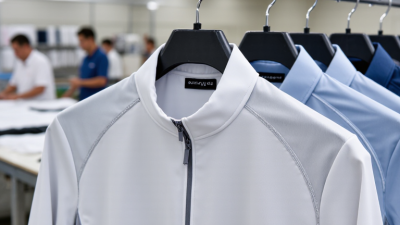
China Top 10 UV SPF Protective Shirt Manufacturers?
Choosing among China’s top 10 UV SPF Protective Shirts manufacturers requires more than comparing prices or factory photographs. Fabric performance matters. Stitching, sleeve coverage, collar height, moisture control, and verified ultraviolet testing can change real protection under strong sunlight.
The World Health Organization identifies ultraviolet radiation as a major cause of skin cancer and eye damage. Its Global Solar UV Index guidance recommends protective clothing when exposure becomes significant. The Skin Cancer Foundation also reports that UPF 50 fabric blocks about 98% of ultraviolet rays, when properly tested and worn. These figures explain why manufacturer documentation should include test methods, fabric composition, washing durability, and production traceability.
“Clothing is the first line of defense against the sun,” says Dr. Elizabeth K. Hale, a board-certified dermatologist and former Skin Cancer Foundation senior vice president. Her statement remains practical. A shirt covering the shoulders and neck offers more dependable protection than sunscreen applied unevenly.
This guide examines ten Chinese manufacturers through an E-E-A-T-focused lens: production experience, technical knowledge, independent testing, and buyer reliability. Relevant benchmarks include AATCC TM183 for ultraviolet transmission testing and ASTM D6603 for labeling guidance. However, no ranking is perfectly objective. Factory capability can change between seasons. Marketing claims can also sound stronger than the evidence.
Readers should inspect certificates, sample garments, seam quality, and post-wash performance before placing large orders. A bright factory floor proves little. The useful evidence is measurable, repeatable, and clearly documented.
Read more »
By:Ethan
- October 23, 2026
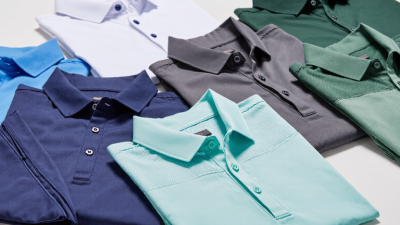
Top Wholesale Golf Shirts for Global Buyers?
Global buyers need more than attractive golf apparel. They need dependable quality, clear specifications, and suppliers that understand different markets. Wholesale Golf Shirts sit at the center of this challenge. A shirt may look excellent in a product photo, yet feel too heavy in Singapore, shrink after washing in Europe, or fit poorly across North American size ranges.
David S. Birnbaum, a veteran apparel sourcing consultant, has often stressed, “The right product is the one that delivers value consistently.” That principle matters when evaluating wholesale golf shirts. Buyers should inspect fabric composition, collar recovery, colorfastness, stitching, and moisture management. Small details become expensive problems at scale. A loose button on one sample is easy to dismiss. Thousands of loose buttons are not.
Reliable sourcing also requires practical communication. Ask for fabric test reports, size charts, production timelines, and pre-shipment quality checks. Confirm whether recycled polyester claims can be documented. Check whether branding, packaging, and labeling match the destination market. These steps do not guarantee perfection. They reduce avoidable surprises.
There is no universal best shirt. A lightweight mesh polo may suit humid courses, while a denser cotton blend may perform better in cooler regions. Price still matters, but the lowest quotation can hide weaker fabric or inconsistent sizing. That lesson is easy to overlook.
This guide compares leading wholesale options through a buyer’s lens. It considers comfort, durability, customization, minimum order quantities, and supplier reliability. Some choices may appear less impressive at first. They may prove more practical after repeated washing, bulk delivery, and real customer feedback.
Read more »
By:Amelia
- October 18, 2026
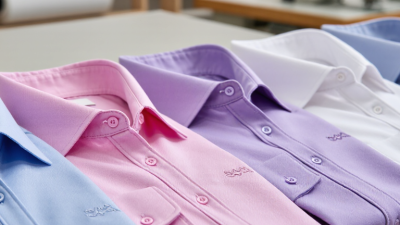
What Are the Best Ladies Polo Shirts from China?
Choosing the best Ladies Polo Shirts from China requires more than comparing prices on a supplier page. Fabric composition, stitching, sizing consistency, and factory transparency matter equally. A crisp collar should recover after washing. Side seams should remain straight, not twist toward the back.
China remains a major global clothing exporter, according to the World Trade Organization’s World Trade Statistical Review. The International Trade Centre’s Trade Map also shows China’s strong position across knitted apparel exports. These reports explain the country’s manufacturing scale, but scale does not guarantee quality. That distinction is important. Some factories produce refined cotton piqué for established brands, while others rely on thin blends and rushed finishing.
Orsola de Castro, founder of Fashion Revolution, said, “The most sustainable garment is the one already in your wardrobe.” Her observation offers a useful standard for Ladies Polo Shirts. A durable shirt worn for years may be more responsible than a cheaper replacement bought repeatedly. The Ellen MacArthur Foundation’s circular fashion research similarly emphasizes longer product use, repair, and better material choices.
This guide will examine Chinese polo shirt suppliers through an evidence-based lens. It will consider cotton quality, recycled fibers, GSM weight, colorfastness, embroidery accuracy, minimum order quantities, and production audits. Supplier reviews and certificates can help, but they are not perfect proof. A document may be current while the actual batch changes.
The best choice is therefore not always the cheapest. It is the shirt that balances comfort, appearance, durability, and dependable sourcing. Small details reveal the difference: reinforced buttons, clean neck tape, and a hem that stays flat after washing.
Read more »
By:Amelia
- October 13, 2026
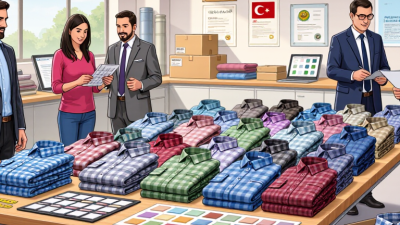
How to Source Men Plaid Shirts Globally in 2026?
Sourcing Men Plaid Shirts globally in 2026 requires more than comparing factory prices. Buyers must connect fabric quality, supplier capability, compliance, and delivery reliability. A soft brushed cotton shirt may look excellent in a sample, yet shrink after washing. That detail can damage an entire retail launch.
Kate Fletcher, a leading sustainable-fashion researcher, has said, “Sustainability is a journey, not a destination.” Her words suit global apparel sourcing. Responsible buyers should examine fiber origin, dyeing processes, labor conditions, packaging, and transport emissions. They should also request current certifications and independent audit records. Documents matter. Evidence matters more.
A practical sourcing process begins with a precise product brief. Specify plaid scale, yarn count, fabric weight, colorfastness, shrinkage limits, stitching density, and acceptable defects. Ask factories for production samples, not only showroom pieces. Compare suppliers across China, India, Bangladesh, Turkey, Portugal, and other established manufacturing regions. Review minimum order quantities, payment terms, lead times, customs requirements, and contingency plans. A low quote may hide weak quality control or expensive rework. That happens.
No spreadsheet predicts every delay. Weather, port congestion, currency movement, and changing consumer demand can disturb even careful plans. Buyers should therefore approve realistic timelines and maintain a backup supplier. The right partner will explain limitations openly, protect traceability, and improve after criticism. That standard creates stronger Men Plaid Shirts programs, even when the sourcing journey remains imperfect.
Read more »
By:Elowen
- October 8, 2026
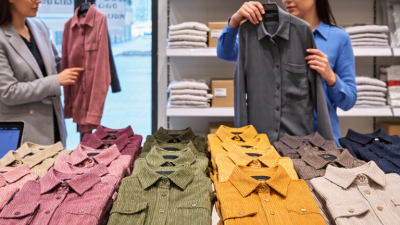
7 Tips for Sourcing Women Corduroy Shirts Wholesale
Sourcing Women Corduroy Shirts wholesale requires more than comparing the lowest price. Fabric quality, supplier reliability, and seasonal demand can quickly affect your margins. This guide presents seven practical tips for evaluating suppliers with greater confidence. It focuses on measurable details, including wale count, fabric weight, fiber content, stitching, sizing, and delivery performance.
Start with a clear product brief. Specify the preferred corduroy texture, cotton blend, GSM range, collar shape, color palette, and size ratio. Request physical samples before approving bulk production. Inspect the seams, button attachment, pocket alignment, shrinkage, and colorfastness after washing. Small flaws become expensive when repeated across hundreds of shirts.
Supplier verification also matters. Review business records, production capacity, quality procedures, and previous export experience. Ask for realistic minimum order quantities and written lead times. Check whether packaging protects folded shirts from moisture and crushing. Confirm payment terms, inspection arrangements, shipping documents, and product labeling requirements under applicable markets. A professional supplier should answer clearly, not pressure you into a rushed order.
Price deserves careful attention. A cheaper quote may hide weaker fabric, inconsistent sizing, or added freight costs. Compare complete landed costs instead. Keep approved samples and measurement charts for production checks. Independent inspections can help, but they cannot replace thoughtful communication. No checklist is perfect. Even experienced buyers miss details, especially when trends move quickly. Record every decision, question unclear claims, and leave room to improve your sourcing process after each shipment.
Read more »
By:Elowen
- October 3, 2026
How to Source Private Label Business Shirts?
Sourcing Private Label Business Shirts takes more than finding a factory with an attractive price. The right partner must turn your design, fit, and quality expectations into repeatable production. A clear brief helps: specify fabric composition, collar shape, cuff style, color, size range, and target price before requesting quotes. Even small details matter. A button’s finish or a slightly uneven placket can change how a shirt looks on the rack.
A reliable sourcing process begins with comparing suppliers on relevant experience, sample quality, communication, minimum order quantities, and production timelines. Ask how fabric is sourced and how measurements are checked during production. Review a physical sample, wash it, and inspect the seams, shrinkage, color, and fit. One sample is not proof of consistent quality, though. Request clear specifications and agree on practical inspection points before approving a bulk order. Keep records of revisions, too.
Cost deserves careful attention, but the lowest quote may leave out important services or use different materials. Compare like with like, including packaging, labeling, shipping terms, and any sampling fees. If a supplier’s answer is vague, ask for specifics rather than assuming. That takes time. It can feel tedious, especially when launch dates are close. Still, thoughtful checks can help protect your brand’s reputation and reduce avoidable surprises. No sourcing plan removes every risk, and early estimates may change. A realistic process leaves room to learn, adjust, and build a stronger supplier relationship.
Read more »
By:Amelia
- September 28, 2026
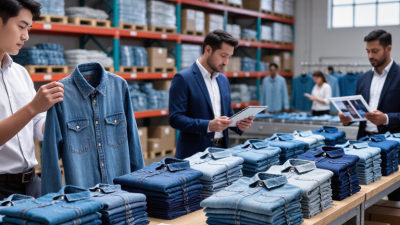
How to Find Reliable Wholesale Denim Shirts Suppliers
Finding reliable Wholesale Denim Shirts suppliers takes more than comparing prices on a spreadsheet. In practice, fabric quality, stitching, sizing, and delivery discipline decide whether an order succeeds. A supplier may send a beautiful sample, then ship production with uneven fades or loose buttons. That gap deserves attention. Experienced buyers usually request fabric composition, denim weight, colorfastness results, size charts, and production photos before negotiating large quantities. They also inspect collar shape, sleeve seams, button strength, and shrinkage after washing. Small details become expensive returns. No checklist is perfect. I once underestimated how much a dark indigo wash could vary between batches. That mistake changed how I review swatches and approve pre-production samples.
This guide explains how to assess Wholesale Denim Shirts suppliers through practical evidence, not polished promises. Look for clear business information, responsive communication, traceable manufacturing details, and consistent quality records. Independent audits, recognized material certificates, and documented social and environmental practices can strengthen confidence. However, verify important claims with issuing organizations when possible. Ask about minimum order quantities, sample fees, lead times, packaging, defect handling, and payment terms. Reliable suppliers answer directly and record changes in writing. They should follow applicable product-safety, labor, environmental, customs, and intellectual-property requirements. A low quote can hide weak quality control or unstable capacity. Compare the total landed cost instead. Request a small trial order before scaling. It may feel slower. It is often wiser. Even careful sourcing can miss a problem, so keep inspection records and review supplier performance after every shipment.
Read more »
By:Elowen
- September 21, 2026