Global buyers need more than attractive golf apparel. They need dependable quality, clear specifications, and suppliers that understand different markets. Wholesale Golf Shirts sit at the center of this challenge. A shirt may look excellent in a product photo, yet feel too heavy in Singapore, shrink after washing in Europe, or fit poorly across North American size ranges.
David S. Birnbaum, a veteran apparel sourcing consultant, has often stressed, “The right product is the one that delivers value consistently.” That principle matters when evaluating wholesale golf shirts. Buyers should inspect fabric composition, collar recovery, colorfastness, stitching, and moisture management. Small details become expensive problems at scale. A loose button on one sample is easy to dismiss. Thousands of loose buttons are not.
Reliable sourcing also requires practical communication. Ask for fabric test reports, size charts, production timelines, and pre-shipment quality checks. Confirm whether recycled polyester claims can be documented. Check whether branding, packaging, and labeling match the destination market. These steps do not guarantee perfection. They reduce avoidable surprises.
There is no universal best shirt. A lightweight mesh polo may suit humid courses, while a denser cotton blend may perform better in cooler regions. Price still matters, but the lowest quotation can hide weaker fabric or inconsistent sizing. That lesson is easy to overlook.
This guide compares leading wholesale options through a buyer’s lens. It considers comfort, durability, customization, minimum order quantities, and supplier reliability. Some choices may appear less impressive at first. They may prove more practical after repeated washing, bulk delivery, and real customer feedback.
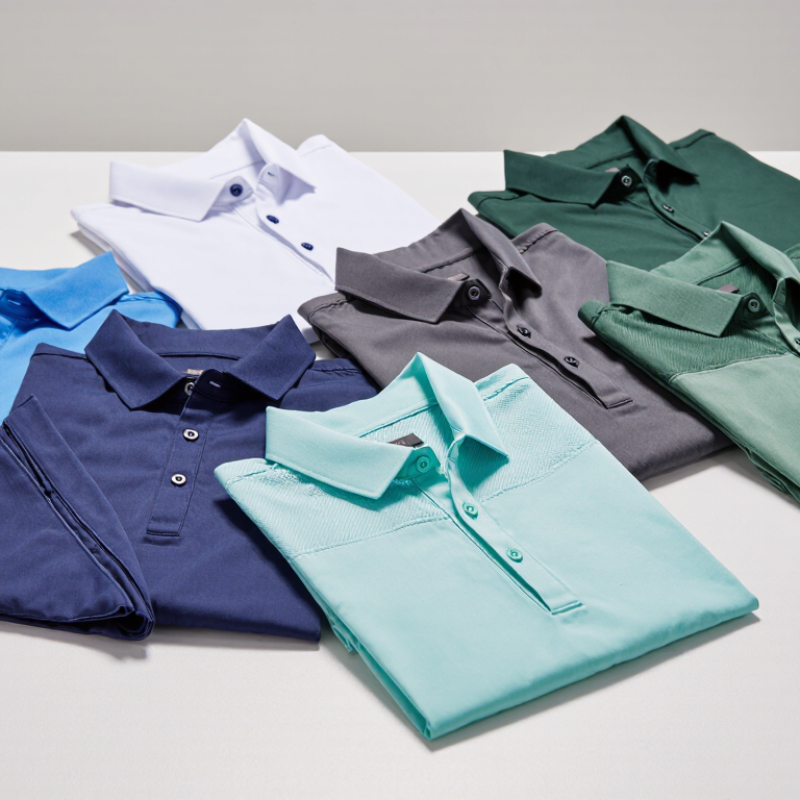
Wholesale golf shirt buyers need different products, not one universal polo. The R&A’s Golf Around the World 2023 report recorded 66.6 million golfers across 206 countries, excluding the United States and Mexico. That broad market includes humid coastal courses, cool inland clubs, and casual golf communities.
For warm regions, choose lightweight polyester polos with quick-dry panels and UPF-rated fabric. Buyers serving resort shops may prefer soft cotton-polyester blends, because they work on and off the course. Long-sleeve performance shirts suit cooler markets and provide practical sun coverage. They also reduce the need for extra layers. Small details matter, such as flat seams, underarm gussets, and collars that stay firm after washing.
The National Golf Foundation reported 28.1 million on-course golfers in the United States during 2023. This supports demand for reliable everyday shirts, club uniforms, and event orders. For institutional buyers, color consistency and repeatable sizing may matter more than premium fabric. For online wholesalers, clear measurements and low-shrinkage materials can reduce returns. Cotton can feel better, but it may dry slowly. Polyester performs well, yet some shoppers dislike its hand feel. That trade-off deserves testing.
A sensible wholesale range includes three core types: breathable performance polos, cotton-blend casual shirts, and long-sleeve sun shirts. Sample washing is essential. A supplier’s specification sheet is useful, but real fabric behavior can still surprise buyers.
For global buyers, wholesale golf shirts should be compared by fabric behavior, not appearance alone.
The Textile Exchange Materials Market Report 2024 recorded 124 million tonnes of global fiber production in 2023. Polyester represented about 57% of that volume, showing why synthetic performance fabrics dominate sportswear sourcing. However, recycled content does not automatically mean better performance. Ask for fiber-content certificates, colorfastness results, and fabric test reports.
Look for moisture-wicking polyester, cotton-polyester blends, or lightweight recycled fibers with controlled stretch. A fabric around 150–180 gsm can balance breathability and durability in warm climates. Still, GSM is only one clue. A 160 gsm polo can feel premium, but that number alone proves little. Compare drying time, pilling resistance, snagging, and dimensional stability after washing. ASTM and ISO test methods can make supplier comparisons more reliable. Fit matters.
Sun protection also deserves attention. The Skin Cancer Foundation recommends clothing with an ultraviolet protection factor of 30 or higher for meaningful coverage, although finished-garment testing remains essential. Mesh panels may improve airflow, yet poorly placed panels can reduce modesty and durability. The Global Organic Textile Standard requires at least 70% certified organic fibers for products labeled organic, according to its standard documentation. Buyers should check whether a supplier’s claim covers the whole shirt or only one component. I would also test sample shirts in humid conditions, because laboratory comfort data may not reflect warehouse, course, or travel use.
Golf shirts for global buyers succeed when sizing, customization, and branding work together. According to Grand View Research, the global sports apparel market was valued at about USD 203 billion in 2023. That scale makes consistent fit a commercial necessity. Use a measurement chart based on chest, shoulder, sleeve, and body length. Reference ISO 8559-1 methods where possible. A medium in one region may fit like a small elsewhere. That problem is common.
Request pre-production samples in at least three sizes. Test them on different body shapes, not only a showroom model. Check collar roll, sleeve opening, and hem behavior after washing. A 2–3% shrinkage rate can change the buyer’s return risk. Fabric weight also matters. Lightweight polyester feels cooler, while blended fabrics often improve softness and shape retention. The International Textile Manufacturers Federation continues to report strong demand for performance and functional textiles, supporting these material choices.
Tips: Put the size chart beside real garment measurements. Ask for wash-test photos. Leave space for movement.
Customization should match the playing environment. Moisture management, stretch panels, and UPF-rated fabric can add practical value. For branding, embroidery suits textured collars, while heat-transfer graphics create cleaner detail on smooth fabric. Keep logos away from seams and high-friction areas. The decoration may look excellent on paper, but production tension can distort it. I have seen buyers over-design a shirt and weaken its visual clarity. A restrained chest mark, sleeve detail, and internal neck label often feel more premium. Always approve color standards and artwork proofs before bulk production.
| Shirt Type | Typical Fabric | Common Weight | Available Size Range | Fit Options | Best Branding Methods | Typical MOQ | Sample & Production Timing | Key Buyer Considerations |
|---|---|---|---|---|---|---|---|---|
| Performance Polo | Polyester or recycled polyester pique, often with moisture-management treatment | 135–180 g/m² | XS–5XL, depending on the supplier and target market | Regular, athletic, and relaxed | Embroidery Heat transfer Screen print | 100–300 pieces per color or design | Sample: 7–14 days Production: 20–45 days after approval |
Lightweight, quick-drying, and suitable for warm climates and active use. |
| Cotton Pique Polo | Combed cotton or cotton-rich pique; blends may include polyester or elastane | 180–220 g/m² | S–4XL, with extended sizing available by request | Classic, regular, and slim | Embroidery Screen print Woven label | 100–300 pieces per color or design | Sample: 7–14 days Production: 25–50 days after approval |
Soft hand feel and structured appearance; may require more care to control shrinkage. |
| Stretch Golf Polo | Polyester-spandex or cotton-polyester-spandex jersey or pique | 160–210 g/m² | XS–4XL, subject to pattern and grading specifications | Athletic and regular | Heat transfer Embroidery Sublimation | 150–300 pieces per color or design | Sample: 10–18 days Production: 25–50 days after approval |
Four-way stretch can improve swing comfort; test colorfastness and recovery after washing. |
| Long-Sleeve Golf Shirt | Polyester jersey, cotton blend, or lightweight interlock | 160–240 g/m² | S–4XL | Regular and relaxed | Embroidery Heat transfer Screen print | 100–300 pieces per color or design | Sample: 7–14 days Production: 25–50 days after approval |
Useful for sun protection and cooler playing conditions; sleeve measurements should be checked carefully. |
| Sublimation Golf Shirt | High-polyester white or light-colored performance fabric | 130–180 g/m² | XS–5XL | Regular, athletic, and team fit | All-over sublimation Heat transfer | 20–50 pieces per design with digital production; higher quantities may reduce unit cost | Sample: 7–14 days Production: 15–35 days after artwork approval |
Allows detailed, full-color graphics; polyester content and print placement should be confirmed before sampling. |
| Eco-Focused Polo | Recycled polyester, organic cotton, or a certified blended fabric | 150–220 g/m² | S–4XL | Regular and relaxed | Embroidery Water-based print Woven label | 150–500 pieces per color or design | Sample: 10–18 days Production: 30–60 days after approval |
Request fiber-content documentation and applicable certification records when sustainability claims are required. |
| Team or Event Polo | Polyester pique, polyester jersey, or cotton-polyester blend | 140–210 g/m² | Adult XS–5XL; youth sizing may be available | Regular, athletic, and unisex | Embroidered crest Heat transfer names Number printing | 50–200 pieces per design, depending on decoration requirements | Sample: 7–14 days Production: 20–45 days after final size breakdown |
Provide a complete size, color, name, and number list to reduce packing and fulfillment errors. |
| Premium Custom Polo | High-twist polyester, mercerized cotton blend, or stretch premium pique | 180–240 g/m² | XS–4XL, with custom grading available | Custom athletic, regular, or relaxed | Custom neck label Embroidered logo Custom buttons Hangtag | 300–1,000 pieces per color or design | Sample: 14–21 days Production: 35–70 days after approval |
Best for detailed brand programs; allow additional time for custom trims, packaging, and color matching. |
Global buyers should assess golf shirt suppliers beyond catalog photos. A reliable factory shares fabric composition, size charts, colorfastness results, and stitching specifications before sampling. In practical sourcing, a 180–220 GSM recycled polyester blend often balances breathability, durability, and freight weight. Ask for a physical sample. Images hide uneven collars and weak button attachments. Supplier standards should also cover inspection steps, packing conditions, production capacity, and response times. A polished certificate alone proves little.
Pricing changes with fabric, decoration, packaging, destination, and order volume. Request a line-by-line quotation, including sample fees, tooling, shipping terms, and payment milestones. Very low prices can signal lighter fabric or relaxed quality checks. That is not always true, but it deserves questions. Minimum order quantities vary widely. Some suppliers set MOQs by color, while others combine colors within one style. For a trial order, negotiate a smaller quantity with a reasonable surcharge. It may protect cash flow, though the unit cost will rise. Confirm lead times in writing, especially before seasonal promotions. Delays can make a good shirt commercially useless.
Tips: Compare three written quotes using identical specifications. Check five random pieces from each sample carton. Record measurements after washing. Ask who handles defects and replacement freight. Keep a small budget for revisions; first samples are rarely perfect. I once overlooked sleeve opening measurements, and the bulk fit felt tighter than expected. That mistake was avoidable.
Global shipping begins with accurate product information. Buyers should confirm fabric composition, garment weight, carton dimensions, and production quantities before placing orders. A practical shipping file includes the commercial invoice, packing list, transport details, and country of origin. Small errors can delay customs clearance or create unexpected storage charges.
Compliance needs more than a basic label check. Golf shirts should carry clear fiber content, care instructions, size details, and applicable safety information. Requirements differ between destination markets, so suppliers must review current import rules before production. Independent testing can examine colorfastness, shrinkage, seam strength, and harmful chemical limits. A real sample is useful. Photos can hide uneven stitching and weak collars.
Quality checks should happen at several stages. Inspect fabric rolls before cutting, then review measurements during sewing. A final inspection can use an agreed acceptance level, carton sampling, and detailed defect photos. Check collars, buttons, sleeve openings, and embroidery placement under bright light. Packaging must protect folded shirts from moisture during long transit. In my sourcing experience, inspection reports are helpful but not perfect. One missed shade variation can affect an entire shipment. Buyers should leave time for rework, because fast delivery is not always reliable delivery.
Compare moisture-wicking ability, stretch, drying time, pilling resistance, and dimensional stability after washing. GSM alone is insufficient. A 150–180 gsm fabric can suit warm climates, but testing matters more.
No. Recycled content does not guarantee comfort, durability, or fast drying. Request fiber certificates and fabric test reports. Compare real samples, not only sustainability claims.
Check the collar, buttons, sleeve openings, seams, and decoration placement under bright light. Measure the shirt before and after washing. Small fit changes can become expensive bulk-order problems.
Use identical fabric, sizes, colors, packaging, and decoration specifications. Request line-by-line pricing, including samples, tooling, shipping, and payment stages. Very low pricing deserves careful questions.
Ask whether the minimum applies per color or across one complete style. For a trial order, negotiate fewer units with a reasonable surcharge. The unit price may rise.
Confirm fiber content, care instructions, sizes, garment weight, carton dimensions, and origin details. Keep the invoice, packing list, transport information, and production quantities accurate. Small errors can delay clearance.
Inspect fabric rolls before cutting and measurements during sewing. Complete a final inspection with carton sampling and clear defect photos. Check shade consistency carefully. One missed variation can affect many shirts.
Use packaging that protects folded garments from moisture and compression. Confirm carton dimensions and packing quantities before shipment. Fast delivery is not always reliable delivery.
Do not rely on catalog images or polished certificates alone. Test shirts in humid conditions and record sleeve measurements. My earlier oversight was a tighter sleeve opening. It was avoidable.
Choosing the right Wholesale Golf Shirts requires global buyers to balance product variety, performance, and supply reliability. Options may include classic polo shirts, moisture-wicking performance styles, lightweight summer designs, and long-sleeve versions for cooler conditions. Key factors to compare include fabric composition, breathability, stretch, colorfastness, durability, wrinkle resistance, and ease of care. Buyers should also review size ranges, fit consistency, customization methods, color choices, labeling, packaging, and branding options to ensure the shirts meet their target market’s expectations.
A dependable supplier should provide clear product specifications, transparent pricing, practical minimum order quantities, and consistent quality standards. Before placing a large order, buyers should request samples, inspect stitching and measurements, verify customization accuracy, and confirm fabric performance. Global shipping plans should account for lead times, packaging, documentation, import requirements, and delivery tracking. Careful communication and pre-shipment quality checks can help reduce risks, control costs, and support a smoother purchasing process for international Wholesale Golf Shirts orders.