0%

Wholesale Linen Shirts are attracting buyers who want warm-weather clothing with a natural feel and easy styling. A crisp shirt on a shop rail, a relaxed weave, and a soft neutral palette can make linen appealing across resort, casual, and premium collections. But popularity is not explained by appearance alone. Buyers also weigh comfort, seasonality, fabric origin, and whether a style can sell beyond one brief trend.

The market context helps explain the interest. Textile Exchange’s Materials Market Report 2024 estimates that global fiber production reached 124 million tonnes in 2023 and could rise to 160 million tonnes by 2030. The report tracks the wider fiber system, not linen-shirt sales specifically. Still, its findings highlight the scale of material sourcing—and why retailers are paying closer attention to fiber choices. Linen offers a distinct natural texture and is often associated with breathable summer dressing. Its performance, however, depends on fabric weight, construction, and finishing.

There is a practical case, too. Wholesale orders can help stores coordinate colors, sizes, and seasonal stock across a collection. Yet linen wrinkles. Some customers love that lived-in look; others do not. That tension deserves attention. For retailers, the strongest opportunity may lie in clear product details, realistic care guidance, and dependable sourcing rather than sustainability claims alone. Understanding these factors helps explain why Wholesale Linen Shirts remain a compelling category for many buyers.
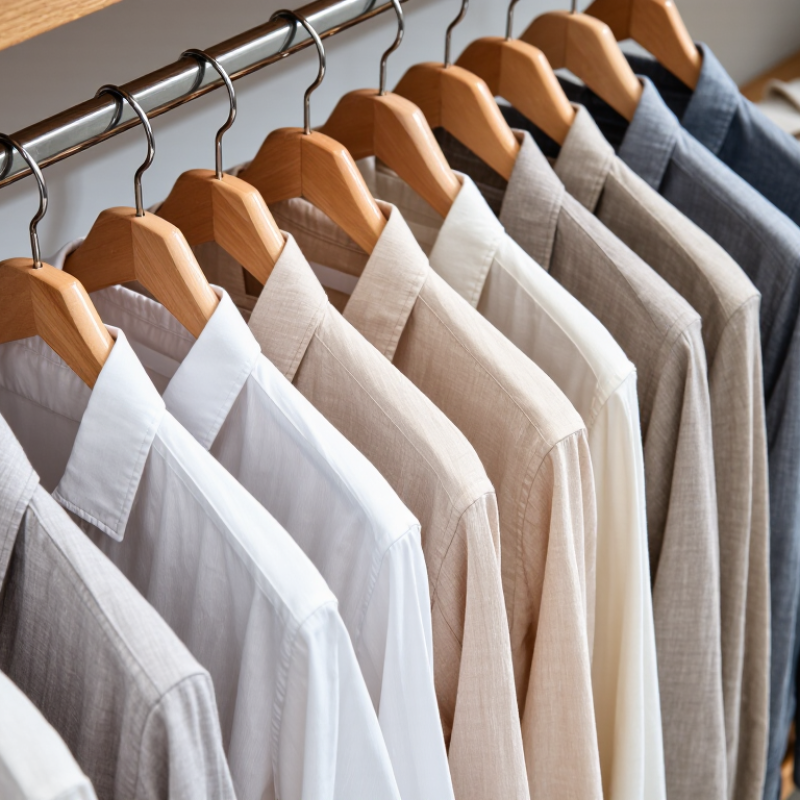
Why Are Wholesale Linen Shirts in High Demand?

How Flax Becomes Linen: Europe Produces About 80% of Global Flax Fiber

Why Are Wholesale Linen Shirts in High Demand?

Europe’s flax fields help explain linen’s growing appeal. The Alliance for European Flax-Linen and Hemp estimates that Europe produces about 80% of the world’s flax fibre. Production is concentrated in France, Belgium, and the Netherlands, where temperate weather and suitable soils support the crop. Flax is usually pulled from the ground rather than cut, helping preserve the long stems used for textile fibre. After harvest, stems lie in damp fields for retting, which loosens the fibres. It is a weather-dependent step. That detail is easy to overlook.

Scutching separates fibre from woody stems; hackling combs it into cleaner, aligned strands for spinning. The European Commission’s agricultural market information identifies France as the EU’s leading flax producer, reflecting the region’s specialised supply chain. For shirt makers buying wholesale, proximity to established processors can mean more traceable sourcing and consistent fibre grades. Linen’s breathable feel and textured surface also suit warm-weather collections. Still, “European flax” does not automatically mean every stage of a garment’s production took place in Europe. Buyers should check what a supplier can document.

Tips: Ask for the fibre’s country of origin and whether the fabric is made from long or short flax fibres. Request a sample, too. Feel the weave. Check the finish. A small test order may reveal variations in colour, shrinkage, or hand feel before a larger purchase.

What Textile Exchange’s 2024 Data Reveals About Linen’s Market Niche

Wholesale linen shirts attract buyers seeking breathable warm-weather staples and a distinct natural-fiber story. Textile Exchange’s Materials Market Report 2024 offers useful context: global fiber production reached 124 million tonnes in 2023. Polyester made up about 57 percent, while cotton accounted for roughly 20 percent. Linen sits in a much smaller market niche. The gap is real.

That report measures fiber production, not wholesale shirt orders, retail sell-through, or linen’s price premium. Its figures cannot prove that linen shirts are selling faster. They do show how heavily the wider textile supply chain relies on polyester and cotton. For buyers, that contrast can make linen a differentiated option, but not a guaranteed commercial win. Not a sales forecast.

The report projects global fiber production could reach 160 million tonnes by 2030. If output grows, linen will compete for attention alongside much larger fiber categories. In practical terms, a linen shirt’s crisp texture and airflow may suit warm-weather assortments, while its tendency to crease can challenge shoppers expecting a smooth finish. That trade-off is easy to overlook. Wholesale teams can compare repeat orders, return reasons, and seasonal sell-through before expanding a range. These details give a more grounded view than broad fiber-growth figures alone.

Why Linen Suits Warm-Weather Wear: Fiber Structure and Airflow

Linen suits warm-weather wear because comfort starts with fabric structure, not a cooling finish. Flax fibers are relatively coarse and often spun into yarns with a slightly uneven surface. When those yarns form an open weave, small spaces let air move across the skin. That airflow helps heat escape during a sunny commute or an outdoor meal. The effect is practical. Fabric weight and weave still matter: dense linen can feel warm, while a looser weave may wrinkle more.

Linen absorbs moisture and releases it readily, so light perspiration may feel less trapped than in some tightly woven fabrics. It cannot keep everyone dry; humidity, lining, and fit change the result. For a suit, an unlined or partly lined jacket often allows more ventilation through the back and sleeves. Small details count. In a fitting room, raise your arms and sit down; tight armholes or a clingy lining can limit airflow. It is worth checking the cloth against your skin, too, since some people dislike linen’s dry, textured feel. Creasing is normal.

How Sustainability and Traceability Shape Wholesale Linen Buying

Wholesale linen shirts attract buyers who want breathable fabric and a clear sourcing story. But “linen” alone does not prove a product is sustainable. The crop, processing, dyeing, and transport all matter. Ask suppliers where the flax was grown and how the fabric was made. Details beat broad claims.

Traceability makes those answers easier to check. Request batch-level records linking the flax or yarn to the finished shirts. Useful documents may include fiber composition, mill details, dyeing information, and audit dates. Compare records with sample garments: a label and a spreadsheet should tell the same story. Small mismatches deserve questions, not assumptions.

Sustainability also affects buying decisions in practical ways. Linen can crease, and fabric weight or finishing changes how a shirt wears. Test samples after washing, then ask how consistent the next production lot will be. A traceable supply chain may help identify variation early. It does not guarantee perfect sourcing. I would still verify claims independently, and not every supplier can provide every record. That gap matters. Buyers can start with a few clear, repeatable checks and improve their questions over time.

How Retailers Plan Linen Orders Around Seasonality, Price, and Demand

Retailers plan linen orders months before warm weather reaches store shelves. They start with local sell-through: short-sleeve shirts may move early in humid regions, while cooler markets often peak later. McKinsey and Business of Fashion’s State of Fashion 2024 identifies weak demand and cost pressure as major industry concerns. That makes smaller test orders and staged replenishment safer than one large seasonal bet.

Forecasts still miss.

Price planning starts with fabric and lead times. Linen uses flax, and yarn quality, fabric weight, dyeing, and finishing all affect the landed cost. Textile Exchange’s Materials Market Report 2023 estimates global fiber production reached 116 million tonnes in 2022; polyester represented 54% and cotton 22%. Linen sits in a much smaller sourcing stream, so retailers should confirm mill capacity and delivery windows before promising a broad size run. A few late cartons can miss the warm-weather window.

Demand signals need context. Buyers compare last year’s weekly sales with current weather, search interest, and returns, then adjust quantities by color and fit. Pale neutrals can sell steadily, while brighter shades may depend on local tastes. Retailers should also check how a shirt feels after washing; linen’s natural creasing can surprise shoppers. That matters. A cautious reorder may protect margin, though it can leave popular sizes unavailable. These trade-offs deserve a review after each season, not just at year-end.

FAQS

Where does most flax fibre come from?

Europe produces about 80% of global flax fibre. France, Belgium, and the Netherlands are major growing areas.

How does flax become linen fibre?

Harvesters usually pull flax plants to preserve long stems. The stems rest in damp fields during retting, which loosens the fibres. Weather matters.

What happens after retting?

Scutching separates fibres from woody stems. Hackling combs and aligns them before spinning. The process takes care.

Does European flax mean the whole shirt was made in Europe?

No. The fibre may come from Europe while other production stages happen elsewhere. Ask suppliers for documents showing the fibre’s origin and processing.

What should buyers check before placing a large order?

Ask whether the fabric uses long or short flax fibres. Request a sample and check its weave, finish, colour, and feel. Try a small order.

Why might linen shirts suit warm-weather collections?

Linen is breathable and has a distinct textured surface. Its crisp feel can work well in warm weather. It also creases.

Do market figures prove linen shirts are selling faster?

No. Global fibre production figures do not measure shirt orders, retail sales, or price premiums. They are not a sales forecast.

What is one risk when expanding a linen range?

Shoppers expecting smooth fabric may dislike creasing. Compare repeat orders, returns, and seasonal sales before expanding. I would still check the details.

Conclusion

Wholesale Linen Shirts are in high demand because linen combines practical warm-weather comfort with a distinctive natural texture. Made from flax, linen benefits from a supply chain in which Europe produces about 80% of the world’s flax fiber. The fiber’s structure allows airflow and helps garments feel comfortable in warmer conditions, making linen a natural fit for seasonal clothing. Textile Exchange’s 2024 data also highlights linen as a distinct niche in the broader textile market, where interest in material choices and their origins can influence buying decisions.

For retailers, sourcing linen involves more than selecting a style. Sustainability and traceability are increasingly important considerations, while seasonal demand, pricing, and order timing all shape purchasing plans. Wholesale Linen Shirts can be a useful addition to a warm-weather assortment, but successful planning depends on balancing expected customer demand with supply and price considerations. Understanding how flax becomes linen and what shoppers value helps retailers make more informed choices when preparing for the season.

Elowen

Elowen

Elowen is a professional marketing specialist dedicated to helping businesses understand how thoughtful products, clear communication, and reliable service can create lasting value. With a deep knowledge of the company’s solutions, Elowen regularly contributes insightful articles to the corporate......