High-Demand Wholesale Custom Blank & Printed Garments
Engineered for apparel brands, promotional distributors, and retail chains. Low MOQ, retail-grade construction, and fully customizable trim packages.
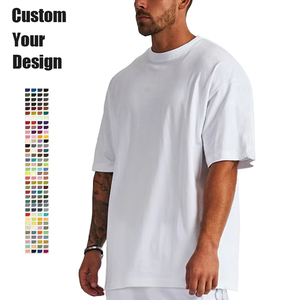
High Quality Blank Cotton StreetWear Tshirt Oversized Drop Shoulder Custom Print Logo HeavyWeight White T Shirt For Men
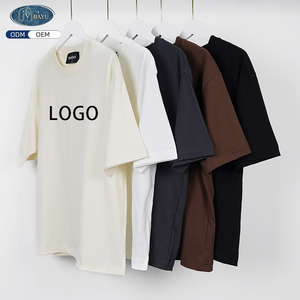
Wholesale Unisex High Quality Tshirt 220gsm 100% Cotton T Shirt Custom Logo Printing Blank O-Neck Plus Size Men's T-shirts
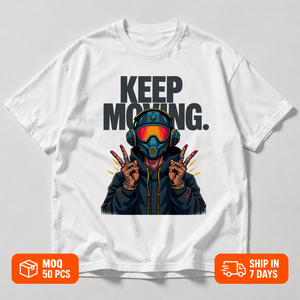
Men's Wholesale Custom Logo 100% Cotton Hip Hop Street Style T-shirt High-quality Heavyweight Fashionable Universal Pattern
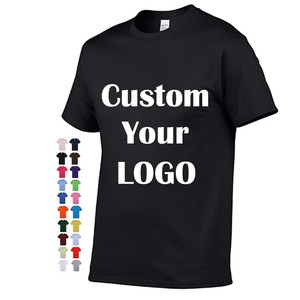
High Quality 100% Cotton Black Plus Size Men's T-shirts Wholesale Personalized t Shirts Custom Printing Logo T-Shirt for Men
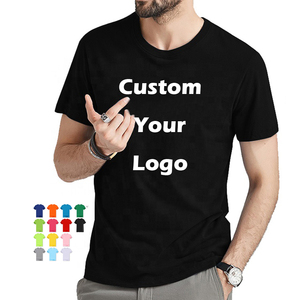
Wholesale Blank Plain T Shirt Custom Silk Screen Print Digital Logo Brand Polyester Cotton Tshirt Plus Size Men T-shirt For Men
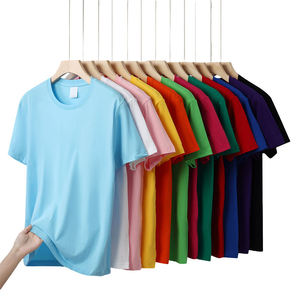
Wholesale High Quality Heavyweight T Shirts 180g Plain Blank Cotton T-shirt Custom Logo Streetwear Men's Oversized Tshirt
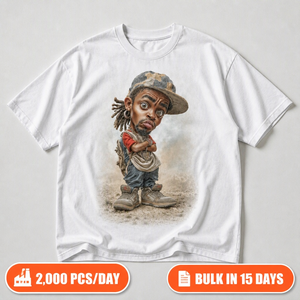
Oversize Tshirt Acid Wash T-Shirt Custom Graphic Your Design Logo Plus Size Vintage T-shirt Blank HeavyWeight Cotton For Men
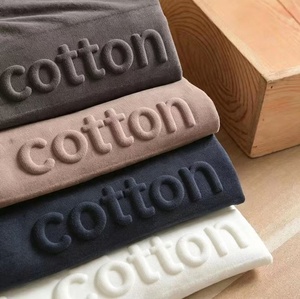
High Quality T-shirts for Men Bulk Print 3D Emboss Tee Shirt Custom 3d Embossed Oversized Graphic Heavy Weight Men T Shirts
Top 10 Custom Apparel Supplier & Exporters: Structural Evaluation Criteria
Navigating the global textile supply chain demands rigorous evaluation beyond surface-level unit pricing. For apparel brand directors, merchandise buyers, and enterprise procurement managers, selecting a high-tier custom apparel supplier & exporter requires balancing manufacturing precision, fabric compliance, minimum order quantity (MOQ) flexibility, and verifiable ethical audits.
As consumer demand shifts toward heavyweight streetwear fits, circular eco-textiles, and rapid inventory turns, leading suppliers have transitioned from passive Original Equipment Manufacturers (OEM) to agile Original Design Manufacturers (ODM) equipped with digital pattern rooms, automated cutting lines, and third-party laboratory testing protocols.
Oasis Shirts / Oasis Apparel Ecosystem
Core Strengths: 20+ years of operational history, 9 audited manufacturing hubs, low MOQ from 50 pcs, full private label/white label programs, OEKO-TEX & BSCI certified, exporting to 55+ countries with DDP/FOB terms.
Guangdong & Zhejiang Craft Studios
Core Strengths: High-density cotton knits (240–360 GSM), vintage acid washes, 3D silicone puff printing, drop-shoulder silhouettes. Higher MOQs (300-500 pcs) apply for custom dye lots.
South Asian Cotton Mills (Bangladesh & Pakistan)
Core Strengths: Exceptional cost efficiency for high-volume basic tees and polo shirts (10,000+ units per style). Longer lead times (60–90 days) and high container-level MOQs.
Turkey & Portugal Boutique Garment Houses
Core Strengths: Fast transit times into EU markets, premium organic cotton (GOTS), sophisticated garment dyeing. Higher CMT (Cut-Make-Trim) labor rates.
Vietnam & Taiwan Functional Wear Hubs
Core Strengths: UPF 50+ moisture-wicking synthetic blends, laser cutting, seam sealing, synthetic circular knits for golf, gym, and outdoor brands.
Automated Micro-Fulfillment Factories
Core Strengths: 1-piece POD flexibility via industrial Kornit DTG systems. Higher per-unit cost makes bulk scaling inefficient for mainstream retail.
Macro Procurement Trends Reshaping Custom Apparel Sourcing
The global apparel sourcing landscape is undergoing a structural paradigm shift driven by digital integration, inventory risk mitigation, and stringent legislative mandates regarding sustainability and supply chain transparency.
1. Low-MOQ Agile Sourcing Tiers
Traditional 1,000-piece factory minimums are being replaced by dynamic 50-to-150-piece production runs. This empowers brands to test capsule collections in real-time, reducing overproduction risk and maximizing capital efficiency.
2. Traceable & Circular Eco-Fabrics
Global regulations like the EU Digital Product Passport (DPP) demand complete material traceability. Top exporters now provide GOTS-certified organic cotton, GRS recycled polyester, and low-liquor dyeing batch documentation.
3. 3D Digital Tech Packs & Virtual Fitting
Digitized pattern drafting using CLO 3D reduces physical fit sample iterations from 4 cycles down to 1. This shrinks pre-production sample lead times from 3 weeks to 7–10 days.
Garment Construction & Embellishment Innovations
Product differentiation in contemporary apparel depends heavily on material hand-feel, structural GSM selection, and high-precision embellishment techniques. Modern B2B buyers must specify exact parameters during tech pack handoff:
Technical Fabric Parameters
The distinction between luxury streetwear and promotional basics lies in fiber processing. Premium lines utilize combed ring-spun cotton (32s/2 or 20s/1 yarn counts) paired with bio-enzymatic washing to eliminate surface fuzz and lock in dimensional stability.
-
Heavyweight Jersey Knits: 220 GSM to 320 GSM single jersey for structured, vintage drop-shoulder streetwear tees.
-
Specialty Wash Treatments: Acid wash, mineral wash, ozone fading, and garment-dyeing for targeted vintage aesthetics.
-
3D High-Density Printing: Multi-layer silicone embossing, puff screen printing, and micro-embossed rubber badges.

Why Global Brands Partner with Oasis Apparel Manufacturing
With over two decades of export infrastructure, Oasis Apparel operates as a fully vertically integrated supply chain partner. From pattern room to final container dispatch, every production batch adheres to international quality assurance standards.

-
Multi-National Production Footprint: 9 audited manufacturing units across Asia and Europe ensuring tariff-optimized shipping routing.
-
Comprehensive Compliance Portfolio: Certified under BSCI, OEKO-TEX Standard 100, ISO 9001, SA8000, and Walt Disney FAMA facility approvals.
-
Full Private Label Customization: Custom woven labels, printed care tags, custom button engraving, GS1 barcoding, and retail-ready polybag packing.
-
End-to-End Logistics Support: Express air freight, LCL/FCL ocean freight, and full DDP (Delivered Duty Paid) door-to-door customs clearance into 55+ countries.
Frequently Asked Questions: B2B Custom Apparel Sourcing
Essential technical answers to streamline vendor selection, purchase orders, and pre-production validation.
Ready to Build Your Next Custom Apparel Line?
Consult with our senior apparel merchandisers today. Upload your tech pack or request a digital catalog review with complete factory-direct pricing tiers.
Inquire Now