Wholesale High-Performance Gym & Streetwear Tees
Engineered for intense training, moisture regulation, and urban athleisure aesthetics. Available for white label fast-dispatch and custom private label OEM development.
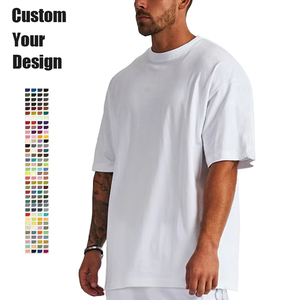
High Quality Blank Cotton StreetWear Tshirt Oversized Drop Shoulder T-shirt Custom Print Logo HeavyWeight White T Shirt For Men
Inquire Now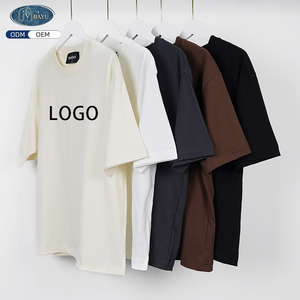
Wholesale Unisex High Quality Tshirt 220gsm 100% Cotton T Shirt Custom Logo Printing Blank O-Neck Plus Size Men's T-shirts
Inquire Now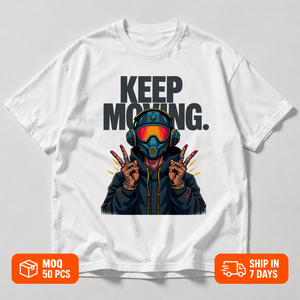
Men's Wholesale Custom Logo 100% Cotton Hip Hop Street Style T-shirt High-quality Heavyweight Fashionable Universal Pattern
Inquire Now
High Quality 100% Cotton Black Plus Size Men's T-shirts Wholesale Personalized t Shirts Custom Printing Logo T-Shirt for Men
Inquire Now
Wholesale Blank Plain T Shirt Custom Silk Screen Print Digital Logo Brand Polyester Cotton Tshirt Plus Size Men T-shirt For Men
Inquire Now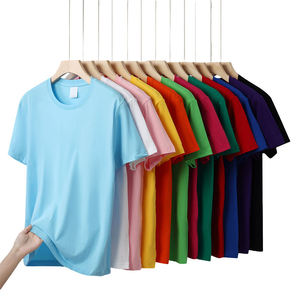
Wholesale High Quality Heavyweight T Shirts 180g Plain Blank Cotton T-shirt Custom Logo Streetwear Men's Oversized Tshirt
Inquire Now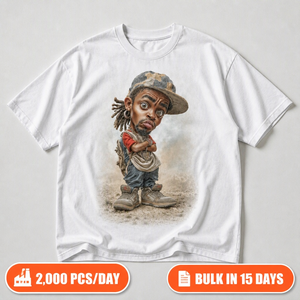
Oversize Tshirt Acid Wash T-Shirt Custom Graphic Your Design Logo Plus Size Vintage T-shirt Blank Heavyweight Cotton For Men
Inquire Now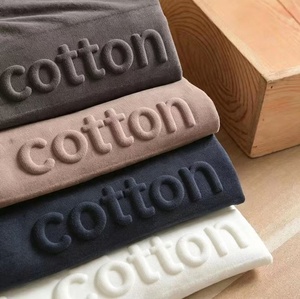
High Quality T-shirts for Men Bulk Print 3D Emboss Tee Shirt Custom 3d Embossed Oversized Graphic Heavy Weight Men T Shirts
Inquire Now1. Strategic Sourcing Architecture: Evaluating the Top 10 Gym Shirts Manufacturers & Exporters
The global activewear market is undergoing a seismic paradigm shift. What once functioned as purely utility-driven athletic gear has merged with streetwear culture, high-performance textile engineering, and sustainable circular manufacturing. For brand founders, sourcing directors, and enterprise apparel distributors, selecting a top-tier activewear OEM/ODM partner is no longer merely a procurement task—it is a foundational business decision that dictates gross margin preservation, customer retention rates, and brand equity.
In this technical whitepaper, we dissect the operational metrics, textile innovations, and supply chain logistics required to navigate the global landscape of athletic apparel production. When evaluating a top 10 gym shirt manufacturer and exporter, professional procurement managers must audit factories beyond basic price-per-unit metrics. Key performance indicators must include yarn texturizing precision, moisture-wicking indices, flatlock seam tensile tolerances, social compliance accreditations (BSCI, SA8000), and speed-to-market agility.
Information Gain Metric: Traditional wholesale suppliers often utilize standard carded cotton or raw polyester, resulting in high pilling tendencies (Martindale Rating < 3) and color fading after fewer than 15 industrial wash cycles. Premier manufacturers employ combed ring-spun cotton and micro-denier poly-elastane blends with anti-microbial silver-ion infusions, achieving Martindale Pilling Resistance of Grade 4.5+ and Color Fastness to Washing ratings of Grade 4-5 under ISO 105-C06 testing protocols.
2. Material Engineering & Fabric GSM Selection Matrix
Performance gym shirts require precise fiber architecture tailored to specific training intents. Whether manufacturing high-compression baselayers, high-ventilation cardio tees, or heavy-duty "pump cover" drop-shoulder tees, selecting the appropriate fabric composition and Grams per Square Meter (GSM) rating is critical.
| Activewear Category | Optimal GSM Range | Fiber Composition | Key Technical Properties | Recommended Construction |
|---|---|---|---|---|
| Functional Fitness / HIIT | 140 – 170 GSM | 88% Recycled Poly / 12% Spandex | Moisture vapor transmission > 800g/m²/24h, 4-way stretch | 4-Needle 6-Thread Flatlock Seams |
| Heavyweight Gym Streetwear | 220 – 280 GSM | 100% Combed Compact Cotton / Heavy Jersey | Structured drape, bio-washed soft handfeel, zero twist yarn | Reinforced Ribbed Collar & Drop Shoulder |
| Athleisure Performance Blends | 180 – 210 GSM | 60% Cotton / 35% Poly / 5% Elastane | Shape memory recovery, anti-pilling, breathable absorption | Side-Seamed Ergonomic Block |
| Seamless Compression Yarns | 200 – 250 GSM | 90% Nylon 6,6 / 10% Spandex | Targeted zonal compression, zero friction points | Circular Santoni Knitting Technology |
3. Enterprise Manufacturing Strengths: The Oasis Shirts Advantage
As an industry leader with over two decades of dedicated manufacturing and global exporting experience, Oasis Shirts provides apparel brands with an integrated end-to-end supply chain infrastructure. Operating state-of-the-art production hubs in 9 countries and front-end management offices across 7 global regions (including Beverly Hills, CA), our platform eliminates traditional supply chain friction.
Agile Low-MOQ Tiers
Eliminate inventory holding risk. Blank stock programs start at just 50 pieces per style, with custom cut-and-sew programs accessible from 100-150 pieces per design run.
Audited & Certified Units
Manufactured in compliance with OEKO-TEX Standard 100, BSCI, SA8000, and ISO 9001 certifications. Complete lab test reports furnished per shipment.
Global DDP Logistics
Seamless shipping to 55+ countries via air, sea, and express courier. In-house customs brokers manage duty guidance, taxes, and door-to-door delivery.
4. Future Sourcing Trends in Gym & Activewear Manufacturing (2025–2030)
Staying ahead in the athletic apparel space requires anticipating macroeconomic shifts and textile technology developments. When partnering with a top 10 gym shirts exporter, brand executives should ensure their manufacturing partner is actively investing in the following four key pillars:
A. Circular Economy & GRS-Certified Recycled Synthetics
Brand sustainability claims are facing intense regulatory scrutiny under European Union anti-greenwashing directives and US FTC Green Guides. The future of activewear sourcing relies on verified post-consumer recycled PET plastics, ocean-bound waste yarn regeneration (GRS certified), and GOTS organic cotton. Leading factories now supply transaction certificates (TC) tracing yarn origin from resin chip to final stitched garment.
B. Micro-MOQ Agile Production & On-Demand Scaling
The traditional model requiring 3,000-piece minimums per colorway is obsolete. Modern fitness brands operate on lean inventory models, dropping limited-edition capsules to test market sentiment. Advanced manufacturers leverage automated CAD marker optimization and digital single-ply laser cutters to execute micro-MOQ runs without incurring prohibitive unit cost penalties.
C. High-Gauge Seamless Circular Knitting
Seamless technology utilizes specialized Santoni circular knitting machinery to generate tubular garments with zero side seams. By varying stitch density within a single continuous panel, manufacturers can create localized compression zones over major muscle groups while inserting high-breathability mesh structures under armpits and along spine channels.
D. Advanced Surface Branding & 3D Tactile Decoration
Screen printing is increasingly augmented by advanced tactile print methods. Current buyer trends heavily favor high-density 3D silicone molding, laser-ablated distressing, heat-welded TPU badging, and metallic foil sublimation that withstands extreme fabric elongation without cracking or peeling.
5. Product Development Trends: What Fitness Consumers Demand Today
Consumer preferences in activewear have diverged into two distinct core market segments: Functional High-Performance Activewear and Heavyweight Gym Streetwear. Understanding how to develop tech packs for both styles is essential for range planning.
The Rise of the "Pump Cover" & Streetwear Aesthetics
Over the past 24 months, search volume for oversized drop-shoulder t-shirts and heavyweight boxy tees has grown exponentially. Gym-goers frequently wear thick, structured 220–280 GSM cotton tees during warm-up sets ("pump covers") before stripping down to high-ventilation base layers. Key technical details include 1.25-inch high-density ribbed collars that do not bacon or stretch out, double-needle cover-stitched hems, and enzyme acid-wash treatments that deliver an authentic vintage look while maintaining fiber structural integrity.
Moisture-Wicking & Anti-Odor Chemical Treatments
For high-intensity cardio and functional fitness apparel, cotton is replaced by synthetic microfibers treated with hydrophilic finishes. These treatments draw liquid sweat away from the epidermis via capillary action, spreading moisture across a broad surface area for rapid evaporative cooling. Furthermore, silver-chloride or zinc-based anti-microbial treatments are impregnated directly into the fiber core, preventing odour-causing bacteria (such as Micrococcus luteus) from bonding to synthetic filaments.
Gym Shirts Sourcing & Manufacturing FAQ
Comprehensive answers to essential technical, logistics, and order management questions encountered by apparel buyers.