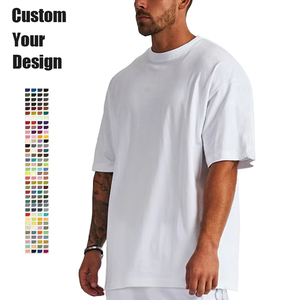
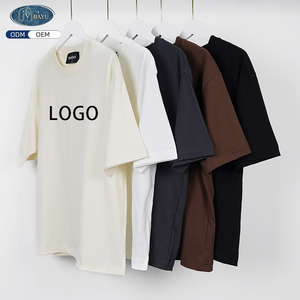
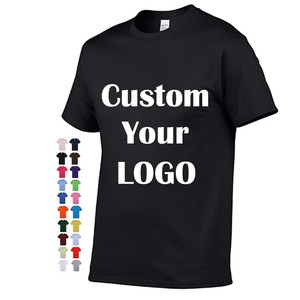
High-Performance Blank & Custom Streetwear Essentials
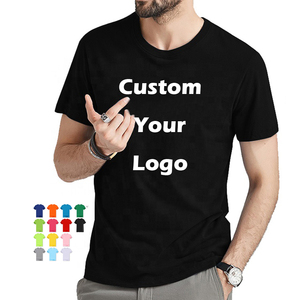
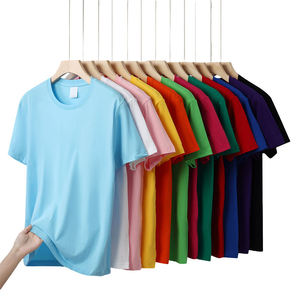
Engineered for reactive dyeing, acid washing, screen printing, and private label customization with low MOQ thresholds.
Evaluating the Top 10 Tie Dye Manufacturers: Technical Criteria & Supply Chain Resilience
The global market for artisanal and industrial tie-dye apparel has evolved from a retro niche into a multi-billion-dollar driver of contemporary streetwear, luxury athleisure, and fast-fashion retail collections. As commercial procurement officers, apparel brand founders, and inventory merchandisers navigate the complex global supply chain, identifying a tier-1 manufacturing partner requires evaluating parameters far beyond unit pricing. Tie-dyeing is intrinsically a chemical and artistic hybrid process; achieving batch-to-batch color consistency, high colorfastness ratings (ISO 105 standard), and structural fabric integrity demands rigorous factory audit standards.
When benchmarking the top 10 tie-dye manufacturers operating across global hubs—including North America, Southeast Asia, East Asia, and Southern Europe—industry procurement experts evaluate five core operational pillars:
- Dye Fastness and Chemical Safety: Compliance with OEKO-TEX Standard 100 Class I and REACH regulations to ensure zero toxic AZO dyes, heavy metals, or volatile organic compounds (VOCs).
- Water Treatment Infrastructure: Implementation of closed-loop Zero Liquid Discharge (ZLD) effluent treatment plants (ETP) capable of neutralizing high-alkali and acidic liquid waste before environmental discharge.
- Pattern Reproducibility: Utilization of semi-automated spiral, bullseye, and shibori folding jigs alongside computerized liquor-ratio mixing tanks to maintain pattern fidelity across thousands of bulk units.
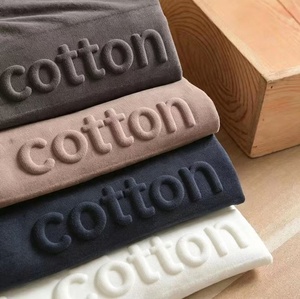
- Fabric Substrate Integrity: Expertise in handling high-GSM combed cotton, bamboo viscose, TENCEL™, and heavy fleece without causing fiber degradation or tensile strength loss during reactive wash cycles.
- Agile MOQ and Sampling Speed: The capacity to offer low minimum order quantities (starting at 50–100 pieces per style) with pre-production sample turnarounds within 7 to 10 business days.
Top 10 Tie-Dye & Garment Dye Manufacturer Benchmark Matrix
Below is a comparative technical analysis illustrating how top-tier wholesale apparel manufacturers compare across essential operational capabilities:
| Manufacturer Evaluation Metric | Oasis Shirts (Industry Benchmark) | Standard Tier-2 Suppliers | Low-Cost Commodity Suppliers |
|---|---|---|---|
| Minimum Order Quantity (MOQ) | 50–100 Pcs / Style | 300–500 Pcs / Style | 1,000+ Pcs / Style |
| Color Fastness Rating (ISO 105-C06) | Grade 4.5 (High Retention) | Grade 3.5 (Moderate Fading) | Grade 2.5 (Severe Bleeding) |
| Effluent Water Treatment (ETP) | Zero Liquid Discharge (ZLD) | Standard Biological ETP | Non-Compliant Direct Release |
| Custom Pattern Prototyping | 7–10 Business Days | 15–20 Business Days | 30+ Days / No Samples |
| Factory Compliance Audits | BSCI, OEKO-TEX, SA8000, ISO 9001 | Basic ISO 9001 | Uncertified Facilities |
| Dye Techniques Offered | Reactive, Ice, Shibori, Acid Wash, Pigment | Basic Spiral Dip Dye | Sublimation Imitation Only |
Key Sourcing Insight: Independent laboratory wash testing reveals that reactive dye processes utilizing fiber-reactive dyes achieve a covalent chemical bond with cellulose fibers. This results in superior wash-fastness (40°C machine wash resistant) compared to direct or pigment dip-dyeing techniques commonly deployed by unaccredited vendors.
Commercial Tie Dyeing & Specialty Wash Engineering
Understanding the chemistry, mechanics, and artisanal precision behind high-volume garment decoration.
Fiber-Reactive Cold-Pad Batch Dyeing
Fiber-reactive dyeing forms a permanent covalent bond with 100% cotton and cellulosic fibers. Using soda ash (sodium carbonate) as a fixative, colors remain vibrant across dozens of commercial wash cycles without fading or color migration onto adjacent garments.
Artisanal Ice Dyeing & Crystal Diffusion
Ice dyeing involves layering powdered reactive pigments over crushed ice placed directly on folded or bound garments. As the ice melts over a 12-to-24-hour period, pigments dissolve at differential rates, creating organic, watercolor-like striations and rich tonal depth impossible to replicate via digital printing.
Japanese Shibori & Mechanical Binding
Shibori utilizes precision folding, stitching, twisting, and wooden block clamping (Itajime Shibori) to create geometric, high-contrast resist patterns. High-volume factories use custom-engineered clamps and binding jigs to ensure pattern consistency across mass production runs.
Acid Wash & Pumice Stone Washing
Acid wash (mineral wash) achieves a vintage, high-contrast marble effect by tumbling pre-dyed garments with chlorine-soaked pumice stones or synthetic porous carriers. Neutralization baths and optical brighteners are subsequently applied to stabilize the fabric's pH balance.
Pigment Garment Dyeing & Enzyme Degradation
Pigment dyeing coats the exterior surface of garment fibers rather than penetrating the core. Combined with bio-enzyme stone washing, this technique yields a soft, distressed, vintage appearance with highlighted seam abrasion prized by modern urban streetwear brands.
Eco-Conscious Low-Liquor Ratio Dyeing
Advanced dyeing machinery operates at ultra-low liquor ratios (1:4 to 1:6 water-to-fabric weight), drastically cutting water and steam consumption. Combined with low-temperature auxiliaries, thermal energy consumption is reduced by up to 40% per batch.
Why Leading Global Apparel Brands Partner With Oasis Shirts
Combining 20+ years of manufacturing heritage with scalable production, low MOQ flexibility, and worldwide logistics.
A Seamless Ecosystem for Startups, E-Commerce Brands, and Corporate Chains
Operating from headquarters in Beverly Hills, California, with regional offices and audited manufacturing units spanning nine countries, Oasis Shirts serves as an end-to-end production partner for apparel brands across North America, Europe, Australia, and the Middle East. With a backend production team exceeding 2,000 skilled textile technicians and pattern engineers, our infrastructure easily handles both small-batch custom capsules and high-volume retail supply agreements.
Our comprehensive private label and white label programs empower apparel merchandisers to build distinct product lines without taking on disproportionate inventory risk:
- Agile Production Run Tiers: Blank stock orders start at just 50 pieces per style. Custom-developed cut-and-sew cut blocks begin at 100 pieces per colorway, while full private label packages (incorporating woven neck tags, barcoded hangtags, custom polybags, and engraved trims) initiate at 150 pieces.
- Rapid Prototyping & Tech Pack Interpretation: Our technical pattern room interprets digital tech packs, physical reference garments, or vector concepts, dispatching approved pre-production samples within 7 to 10 working days.
- Rigorous Quality Assurance (AQL 2.5 Standard): Every bulk shipment undergoes strict in-line inspection and final AQL 2.5 auditing. We measure dimensional stability, seam elongation, needle-hole strength, and colorfastness under light and washing conditions.
- Transparent Duty & Freight Execution: We offer comprehensive FOB, CIF, and DDP (Delivered Duty Paid) shipping solutions via air, ocean, and express courier, seamlessly handling customs clearance, tariffs, and direct-to-warehouse delivery.
Future Procurement Trends in Tie Dye & Garment Dyeing (2025–2030)
As consumer demand shifts toward sustainable fashion, vintage streetwear aesthetics, and functional technical fabrics, the tie-dye apparel manufacturing landscape is undergoing significant technological transformations. B2B buyers and brand merchandisers must align their sourcing strategies with four macro trends shaping the next decade of garment dyeing:
1. Shift to Heavyweight Fabrics and Organic Substrates
The market is rapidly moving away from lightweight, low-GSM promotional tees toward heavyweight, structured silhouettes. Demand for 240 GSM to 320 GSM combed cotton tees, 400 GSM French terry hoodies, and organic cotton-bamboo fleece blends has surged. Heavyweight cotton fibers absorb dye liquor more evenly, allowing deep dye saturation and distinct pattern boundaries essential for high-end streetwear positioning.
2. AI-Driven Pattern Simulation & Digital Color Matching
Leading manufacturers are adopting AI-powered colorimetry and digital dye simulation software. Before physical lab dips are mixed, software predicts exact dye absorption profiles based on fiber porosity and ambient wash humidity. This technology minimizes lab-dip iteration cycles, cuts chemical waste during development by up to 60%, and ensures accurate Pantone TCX color matching.
3. Sustainable Waterless and Laser-Assisted Wash Technologies
Strict environmental enforcement across major manufacturing nations is accelerating the adoption of waterless dyeing technologies, ozone wash bleaching, and laser fading. Ozone processing replaces chemical oxidizing agents to bleach and distress garments using oxygen gas, reducing water consumption by 85% and eliminating toxic chemical discharges entirely.
4. Growth of On-Demand Micro-Capsules over Mass Inventory
E-commerce brands are abandoning traditional 6-month buying cycles in favor of quick-turnaround micro-capsules. By ordering 100-to-300-piece runs in trending colorways (e.g., earth-tone mineral wash, pastel ice dye, tonal monochromatic tie-dye), brands test consumer demand in real-time, avoiding heavy end-of-season markdowns and unsold inventory liabilities.
Frequently Asked Questions (FAQ) for Bulk Sourcing
Clear, direct answers to common questions about custom tie-dye apparel manufacturing, MOQs, lead times, and private label execution.
What is the minimum order quantity (MOQ) for custom tie-dye t-shirts?
Our blank stock tie-dye programs begin at just 50 pieces per style. For fully customized cut-and-sew programs with custom color patterns or specific GSM fabrics, our standard MOQ is 100 pieces per colorway. Private label orders featuring custom woven labels, care tags, and printed retail packaging start at 150 pieces per style.
Will tie-dye colors bleed or fade during commercial laundering?
No. We exclusively utilize industrial fiber-reactive dyes and multi-stage hot-water wash cycles with specialized neutralizing agents. Our dyed fabrics achieve Grade 4.5 colorfastness ratings under ISO 105-C06 wash testing, guaranteeing color retention without bleeding onto white sections or adjacent garments during standard 40°C machine washing.
What is the turn-around lead time from sample approval to bulk delivery?
Pre-production sample creation takes 7 to 10 working days. Bulk production for standard blank or re-order tie-dye runs requires 12 to 18 working days. Fully custom cut-and-sew programs involving complex wash techniques (such as acid wash or shibori binding) take 25 to 35 working days. Air freight delivery adds 4–7 days; ocean freight takes 18–35 days depending on the destination port.
Can we submit custom Pantone (PMS) colors for tie-dye development?
Yes. Our laboratory technicians match custom Pantone TCX or TPX color references using automated dye dispenser systems. We supply physical lab dips or digital strike-offs for written brand approval before initiating bulk fabric dyeing.
What private label branding services are included in your apparel programs?
We provide full white label and private label customization, including screen-printed neck sizing, woven main labels, satin care labels, hangtags with custom barcodes/pricing, engraved buttons, custom drawstrings, and individual retail polybags with suffocation warnings and SKU stickers.
Which social compliance and environmental certifications do your facilities maintain?
Our partner manufacturing units are audited under OEKO-TEX Standard 100, Business Social Compliance Initiative (BSCI), ISO 9001 quality management standards, SA8000 social compliance, and Walt Disney FAMA approved facility guidelines. Certified lab test reports and material safety data sheets (MSDS) are provided upon request.
Start Your Custom Tie-Dye Apparel Program Today
Whether you need small-batch sample development, low-MOQ streetwear blanks, or high-volume private label manufacturing, our experienced merchandising specialists are standing by to review your tech pack and deliver a competitive price quote.