Featured Apparel Blanks & Camp Collar Platforms
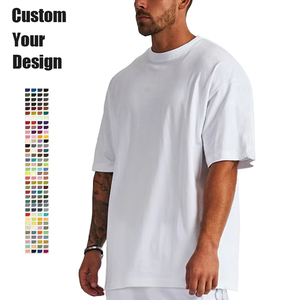
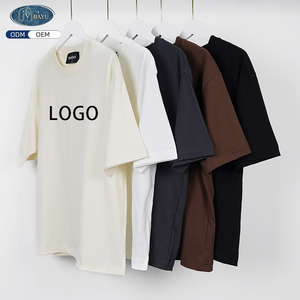
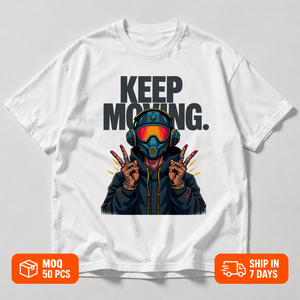
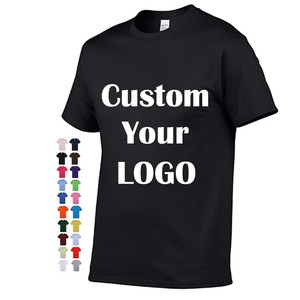
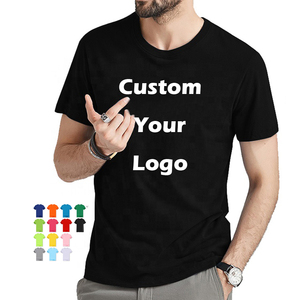
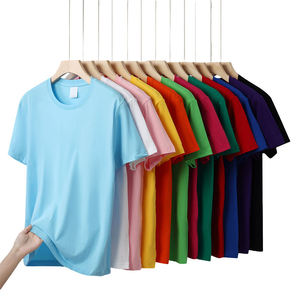
Engineered for brand customization, screen printing, digital reactive dyeing, and private label apparel lines with low minimum order commitments.
China Sourcing Footprint & Technical Capabilities
Our partner infrastructure unites modern apparel technology with strict compliance controls to deliver global retail-grade camp shirts and casual woven wear.
Cuban Collar Precision Engineering
Flat-lying camp collars engineered with soft fusing interlining, loop closures, and French seams to guarantee dimensional stability through repeated wash cycles.
Advanced Reactive Digital Printing
High-definition continuous printing on cellulosic fibers (Viscose, Tencel, Linen) yielding vivid colors, ultra-soft hand feel, and zero cracking or fading.
Comprehensive ESG & Audited Plants
Manufacturing facilities verified under BSCI, OEKO-TEX Standard 100, ISO 9001, and Walt Disney FAMA standards for ethical labor and chemical safety.
The Definitive Guide to Sourcing Camp Shirts from China’s Apparel Exporters
The global resort wear market has undergone a structural renaissance over the past decade. Central to this casual luxury movement is the camp shirt—often referenced interchangeably as the Cuban collar shirt, cabana shirt, or rever collar shirt. Characterized by its open, un-starched, flat-lying collar, straight hem, and relaxed silhouette, the camp shirt has transitioned from a seasonal vacation item into a permanent staple of contemporary menswear, streetwear, and gender-neutral casual collections.
For fashion brands, e-commerce retailers, and corporate merchandise buyers seeking high-margin expansion, partnering with top-tier China camp shirts suppliers and exporters provides an unmatched competitive advantage. China’s integrated apparel ecosystem offers unparalleled fabric access (from heritage mulberry silks and high-drape viscose filament to GOTS-certified organic linen), sophisticated CAD pattern grading, state-of-the-art reactive digital printing, and highly scalable cut-and-sew operations.
Information Gain Insight: Sourcing successful camp collar garments requires balancing fabric drape with collar structure. Unlike standard dress shirts, camp shirts rely on soft, non-woven fusing within the collar facing paired with relaxed tension armhole seams to achieve an effortless drape without buckling along the placket.
1. Deconstructing Camp Shirt Garment Anatomy & Technical Construction
To establish rigorous Quality Assurance (QA) standards when evaluating Chinese exporters, apparel sourcing managers must understand the critical technical components of a premium camp shirt tech pack:
A. Collar & Placket Architecture
The defining feature of a camp shirt is its lapel-like collar that lays flat against the chest. Professional manufacturers utilize a one-piece or two-piece convertible collar pattern without a collar band. Soft woven or non-woven interlining (typically 20–30 GSM micro-dot fusible) is applied to the facing to prevent sag while retaining breathability. High-end executions often feature a subtle fabric loop and hidden collar button beneath the lapel, allowing the wearer to button the shirt completely to the neck when desired.
B. Seam Engineering & Stitch Density
Because camp shirts are predominantly cut from lightweight, fluid fabrics such as rayon viscose, Tencel Lyocell, or linen blends, seam puckering is a primary quality risk. Top Chinese factories employ fine ballpoint needles (size 65/9 or 70/10) and fine 60/2 corespun polyester thread, setting stitch density to 14–16 stitches per inch (SPI). Side seams and armholes are finished using clean double-needle flat-felled construction or French seams to ensure zero raw edge fraying during washing.
C. Pocket Pattern Matching
In resort wear featuring complex tropical, geometric, or engineered placement prints, precision pattern matching across the chest pocket and front placket separates entry-level goods from luxury-tier production. Leading exporters utilize computer-automated fabric spreaders and laser-guided cutting systems to achieve 100% motif alignment across the front closure, reducing visual disruption.
| Fabric Classification | Standard GSM Range | Key Tactile Properties | Optimal Decorating Technique | Target Market Segment |
|---|---|---|---|---|
| 100% Rayon Viscose | 115 – 145 GSM | Ultra-drapey, cool hand feel, silk-like softness | Reactive Digital Print | Boutique Resort & Streetwear Brands |
| 100% Tencel™ Lyocell | 130 – 160 GSM | Eco-friendly, smooth drape, high moisture absorbency | Pigment Screen / Piece Dye | Sustainable & Premium Casual Lines |
| Linen-Cotton Slub (55/45) | 140 – 180 GSM | Textured slub weave, breathable, structured hold | Yarn-Dyed Stripes / Solids | Modern Heritage & Utility Apparel |
| Mulberry Silk Crepe | 90 – 110 GSM | Lustrous sheen, featherweight luxury, fluid movement | Direct-to-Fabric Inkjet | High-End Designer Luxury Collections |
| Recycled Polyester Blend | 120 – 150 GSM | Wrinkle-resistant, quick-dry, high durability | Disperse Sublimation Print | Lifestyle, Uniforms & Active Resort |
2. Textile Sourcing Hubs in China: Where Raw Material Excellence Resides
A primary factor behind China’s leadership in apparel export is geographic industrial clustering. When sourcing camp shirts, buyers benefit from understanding where specific fabric supply chains are concentrated:
- Shaoxing & Keqiao (Zhejiang Province): Known as Asia’s largest textile distribution hub, Keqiao excels in woven rayon viscose, Tencel blends, printed fabrics, and synthetic lightweights. Exporters located in or partnered with Keqiao mills deliver rapid lab-dip turnarounds (3–5 days) and vast off-the-shelf printed stock programs.
- Guangzhou & Zhongshan (Guangdong Province): The epicenter for high-end cut-and-sew garment manufacturing. Guangdong factories specialize in fashion-forward pattern drafting, intricate wet-processing, garment washes (enzyme wash, stone wash, acid wash), and low-MOQ rapid sampling tailored for international fashion labels.
- Jiangsu & Shandong Provinces: Globally renowned for premium linen spinning, cotton-linen blending, and advanced yarn-dyed plaid/stripe weaving. Ideal for brands sourcing natural-fiber camp shirts with high tensile strength.
3. Printing Technologies: Reactive Digital vs. Screen Printing for Camp Apparel
Selecting the appropriate decoration methodology directly influences both unit cost and garment texture. Chinese exporters typically provide three primary printing routes for camp shirts:
A. Continuous Reactive Digital Printing
For multi-color, highly detailed artwork on cellulosic fabrics (Viscose, Tencel, Cotton), reactive digital printing is the gold standard. Unlike pigment digital prints—which coat the fabric surface with a stiff binder—reactive dyes form a molecular bond with the cellulose fibers. This process preserves 100% of the fabric’s original breathability and fluid drape while achieving exceptional color fastness (Grade 4+ under ISO 105 tests).
B. Rotary & Flatbed Screen Printing
When order volumes exceed 1,500 pieces per print colorway, traditional rotary screen printing offers significant economies of scale. Exporters utilize automatic screen printing presses capable of handling up to 12 colors with precise registration, making it ideal for signature tropical repeat motifs.
C. Sublimation Printing on Eco-Polyesters
For outdoor performance camp shirts or promotional resort programs, disperse dye sublimation on recycled polyester (GRS certified) guarantees fade-resistant, vibrant all-over graphics with zero extra ink weight.
4. Quality Evaluation & Factory Audit Framework for Sourcing Managers
When vetting China camp shirts suppliers, buyers should implement a multi-tiered factory assessment protocol. Ensuring your manufacturing partner adheres to global quality frameworks protects brand reputation and mitigates supply chain risks.
Factory Assessment Benchmark: Demand verified documentation of factory audits (BSCI, Sedex SMETA, SA8000) and material safety compliance (OEKO-TEX Standard 100). Validated suppliers will readily provide AQL 2.5 final inspection report templates prior to bulk contract signing.
Essential verification metrics include:
- Pre-Production Sample (PPS) Sign-Off: Complete evaluation of fit, shoulder slope, sleeve pitch, button stitch security (minimum 8 stitches per button with stem wrapping), and collar lapel symmetry.
- Lab Testing Reports: Verification of color fastness to washing, rubbing (crocking), light exposure, dimensional stability after laundering (<3% shrinkage), and zero harmful AZO dyestuffs.
- In-Line Inspection (DUPRO): Monitoring stitch density, seam tension, and pattern matching while 20% to 50% of the bulk order is actively on the sewing line.
- Final Random Inspection (FRI / AQL 2.5): Quality control teams execute statistical sampling based on ISO 2859-1 standards, inspecting critical defects (stains, holes, open seams), major defects (measurement out of tolerance), and minor defects (loose threads).
5. Future Procurement & Industry Trends (2025–2030)
The camp shirt manufacturing landscape is rapidly transforming under the influence of digital innovation, eco-conscious regulation, and flexible inventory models:
A. AI-Powered 3D Patterning & Virtual Digital Sampling
Top Chinese exporters have integrated 3D CAD software (CLO3D, Browzwear) into their initial development stages. Instead of waiting weeks for physical sample shipments, buyers can review ultra-realistic 3D fabric simulations, drape physics, and pattern placements digitally, reducing sample iteration cycles by up to 70% and minimizing material waste.
B. Closed-Loop & Zero-Water Manufacturing
Environmental compliance is driving significant investments in low-liquor dyeing technology and waterless digital printing systems across Chinese mills. Suppliers utilizing closed-loop solvent processes for Tencel production and zero-discharge effluent treatment plants (ETP) enable global brands to comply with strict EU Corporate Sustainability Due Diligence Directives (CSDDD).
C. Agility via Flexible Low-MOQ Tiers
To combat inventory overstock, modern OEM/ODM exporters are abandoning legacy 1,000-piece minimums. Leading China camp shirt suppliers now support tiered production—offering blank stock customization from 50 pieces and fully custom cut-and-sew runs from 100 to 150 pieces per style. This empowers emerging brands to test market demand before committing significant working capital to high-volume production.
Frequently Asked Questions for Bulk Buyers
Key operational insights to help streamline your procurement, sampling, and factory contract negotiations.
What is the minimum order quantity (MOQ) for custom camp shirt production?
Our flexible manufacturing program offers low MOQ entry tiers: ready-to-decorate blank shirts start from 50 pieces per style, custom digital printed styles start at 100 pieces per colorway, and complete private label cut-and-sew programs (including custom woven labels, hangtags, and custom buttons) start at 150 pieces per style.
How long does the sample development and bulk production cycle take?
Digital tech pack reviews and virtual 3D mockups take 24–48 hours. Physical pre-production samples (PPS) are completed in 7 to 10 working days. Bulk production for standard blank inventory requires 12 to 18 working days, while custom cut-and-sew orders with specialized printing or fabric dyeing take 25 to 35 working days upon sample approval.
Which fabrics are best suited for high-drape Cuban collar camp shirts?
The industry standard for fluid resort drape is 100% Rayon Viscose (120–145 GSM) or eco-friendly Tencel™ Lyocell. For brands desiring a structured, vintage, or breathable natural aesthetic, Linen-Cotton blends (55/45 slub weave) and 100% combed cotton poplin provide excellent pattern crispness and wearability.
Can you match exact Pantone colors and specialized print artwork?
Yes. All custom dyeing and printing processes are calibrated to Pantone TCX / TPX color standards. We accept vector artwork (.AI, .EPS, .PDF) or high-resolution layered Photoshop (.PSD) files at 300 DPI for seamless pattern repetition and color matching. Lab dips and print strike-offs are submitted for physical sign-off prior to bulk fabric printing.
What quality assurance (QA) standards and audit certificates are maintained?
Production follows AQL 2.5 final inspection standards (ISO 2859-1). Manufacturing units hold verified certifications including OEKO-TEX Standard 100 (chemical safety), BSCI (business social compliance), ISO 9001 (quality management), SA8000, and Walt Disney FAMA facility approvals. Third-party lab test reports from SGS or Intertek are available per shipment.
What international shipping and trade terms do you support?
We support all standard Incoterms including FOB, CIF, CFR, and DDP (Delivered Duty Paid). Our global logistics network handles complete customs clearance, duty management, and doorstep freight delivery via air express (4–7 days) or ocean freight (18–35 days) across North America, Europe, Australia, the Middle East, and Asia.
Ready to Launch Your Custom Camp Shirt Collection?
Partner with a trusted China apparel exporter offering 20+ years of manufacturing expertise, low MOQs, transparent unit pricing, and end-to-end private label execution.