Heavyweight Streetwear
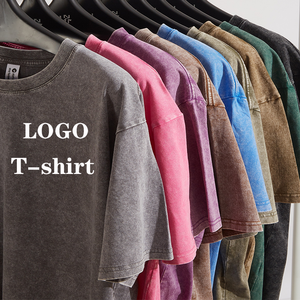
Oversized Vintage Acid Washed Heavyweight Cotton T-Shirt
280-300 GSM
Acid Wash
100% Cotton
Engineered for private label brands, eco-conscious streetwear retailers, and global corporate distributors.
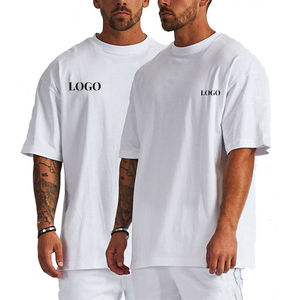
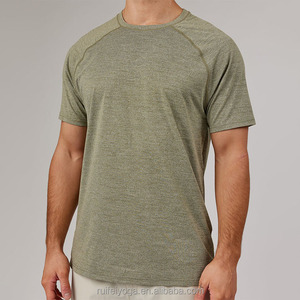
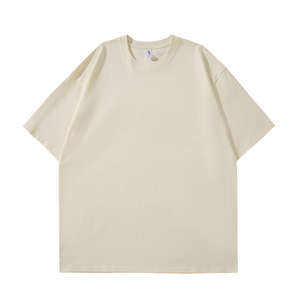
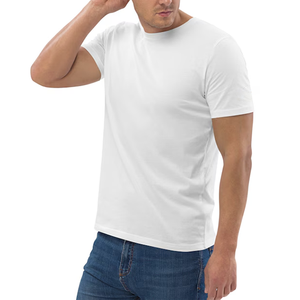
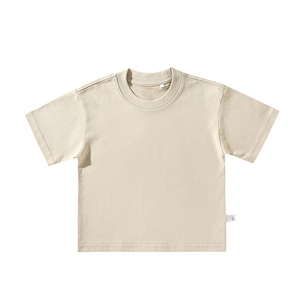
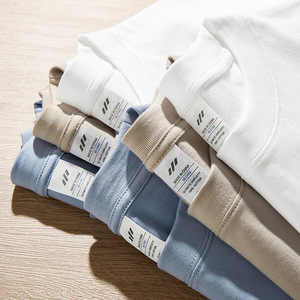
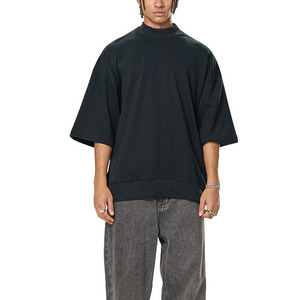
In today's highly competitive apparel market, transitioning to organic cotton is no longer just a marketing angle—it is an operational standard for sustainable supply chain resilience. As a premier wholesale organic t-shirt manufacturer with over two decades of technical apparel production experience across 9 global factory units, Oasis Shirts builds high-performance, environmentally verified garments tailored for modern private label brands, corporate identity programs, and eco-conscious streetwear lines.
Information Gain Insight: Genuine organic t-shirt manufacturing requires strict verification of yarn staple length, zero toxic chemical input during dyeing, and complete chain-of-custody verification from farm to garment. GOTS (Global Organic Textile Standard) ensures not only 95%+ certified organic fiber content but also enforces wastewater biological treatment (ETP) and strict SA8000/BSCI social accountability standards.
The structural longevity and tactile hand-feel of an organic tee depend heavily on yarn spinning technology. Conventional budget manufacturers frequently utilize open-end carded cotton, which produces shorter staple fibers, resulting in elevated surface fuzz, excessive shrinkage (exceeding 8-10%), and early fabric pilling. Conversely, our certified organic t-shirts exclusively utilize long-staple combed ring-spun organic cotton (ranging from 30s/1 to 40s/1 singles yarn counts).
By combing out short fibers and impurities, ring-spun organic yarns deliver superior tensile strength, exceptional dimensional stability (shrinkage held under 3-5%), and an exceptionally smooth surface optimized for water-based screen printing, Plastisol-free discharge printing, and Direct-to-Garment (DTG) artwork application.
Evaluate the technical differences between conventional apparel production, hybrid recycled blends, and 100% GOTS-certified organic cotton lines:
| Specification Feature | Conventional Cotton Tee | Recycled Poly Blend Tee | GOTS Certified Organic Tee |
|---|---|---|---|
| Pesticide & Synthetic Chemical Input | High (Non-certified) | Moderate (Poly Processing) | Zero (100% Synthetic Free) |
| Yarn Count & Construction | 18s - 24s Carded Open-End | 30s Ring-Spun Blend | 30s - 40s Combed Ring-Spun |
| Surface Printability (DTG / Water-based) | Average / High Fuzzing | Variable (Polyester Bleed) | Ultra-Smooth Ultra-Density |
| Dimensional Shrinkage Control | 7% - 10% (Uncontrolled) | 3% - 5% (Heat Set) | < 3% (Bio-Washed & Pre-Shrunk) |
| Water Footprint & Effluent Impact | High Chemical Effluent | Micro-plastic Risk | Closed-Loop Water Recycling |
| Supply Chain Traceability (TC Certificate) | Unverified / Untraced | GRS Verification Only | Full GOTS Transaction Certificate |
As global environmental regulations tighten—including the European Union's Ecodesign for Sustainable Products Regulation (ESPR) and mandatory Digital Product Passports (DPP)—apparel procurement is shifting from transactional buying to fully transparent, audit-ready supply chain partnerships. Below are four key trends shaping wholesale organic t-shirt procurement:
B2B buyers increasingly require proof of origin. Modern procurement demands QR-code integrated care labels linking end consumers directly to farm-level origin data, GOTS transaction certificates (TC), and factory audit reports. Oasis Shirts supports raw material traceability from raw organic cotton baling through to final garment finishing.
Streetwear aesthetics have permanently transformed standard basic tees. Demand has surged for ultra-heavyweight boxy cuts (240 GSM to 340 GSM) featuring drop shoulders, tight mock-neck collars, and relaxed vintage acid washes. Achieving these distressed aesthetics without toxic chemicals requires innovative low-impact enzyme washes, ozone processing, and mineral dye techniques that conform to OEKO-TEX Standard 100 eco-limits.
While 100% organic cotton remains the staple, hybrid eco-fibers are capturing market share. Blending GOTS organic cotton with industrial hemp or TENCEL™ Lyocell creates a garment with inherent antimicrobial properties, enhanced moisture-wicking capabilities, and unmatched durability. Hemp fibers require 50% less water to cultivate than conventional crops, boosting sustainability scores for retail brands.
High minimum order requirements force retail brands into risky overproduction cycles. Modern apparel procurement relies on flexible manufacturing models. By offering blank stock programs starting at just 50 pieces and custom private-label cut-and-sew runs starting at 100-150 pieces per color, brands can test market reaction with limited risk and rapidly execute volume reorders upon validation.
Built upon 20+ years of operational excellence, audited facilities, and end-to-end private label execution.
We transform your initial creative concept or tech pack into a retail-ready garment line with complete custom branding solutions.
Scale your inventory cleanly without locking up essential working capital in high minimum factory commitments.
Our global factory network operates under strict social compliance and environmental safety standards.
Match your product position with the right fabric weight, knit structure, and printing technique.
140 GSM - 160 GSM (4.1 oz - 4.7 oz)
Ideal for summer casualwear, activewear base layers, and promotional event programs requiring high breathability and drape.
180 GSM - 210 GSM (5.3 oz - 6.2 oz)
The industry benchmark for retail private label brands, fashion basics, and high-end corporate identity apparel.
240 GSM - 320 GSM (7.1 oz - 9.5 oz)
Engineered for high-end streetwear labels, boxy oversized drops, vintage acid washes, and structured silhouettes.
Clear, direct answers regarding bulk ordering, testing reports, lead times, and private label execution.