
Executive Strategic White Paper: Navigating OEM & ODM Apparel Export to Thailand
The apparel landscape in the Kingdom of Thailand has undergone a seismic structural shift over the past five years. Driven by Bangkok’s emergence as the vibrant fashion epicenter of Southeast Asia, a burgeoning independent streetwear culture in Siam Square, and rapid expansion in hospitality and corporate sectors, the demand for high-tier OEM (Original Equipment Manufacturer) shirts and customized apparel exporters has reached an unprecedented peak. However, supplying the Thai market requires far more than generic bulk cut-and-sew operations; it demands hyper-localized material science, climate-resilient fabric selection, rapid turnarounds, and complete compliance with regional trade frameworks such as RCEP and ASEAN Form E certification.
Information Gain Insight for Thai B2B Importers: Traditional apparel exporters often supply heavy standard cottons that fail under Thailand’s tropical humidity. Our localized OEM engineering prioritizes 100% combed long-staple cotton with bio-wash finishes, offering 220–280 GSM structural drape while maintaining rapid moisture dissipation and anti-microbial properties.
1. Localized Application Scenarios Across Thailand’s Key Business Hubs
To successfully capture market share in Thailand, apparel brand managers and procurement executives must align product specifications with local application environments:
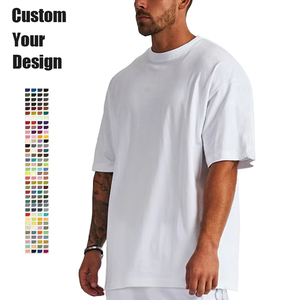
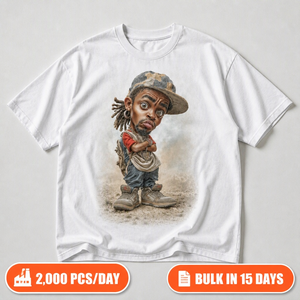
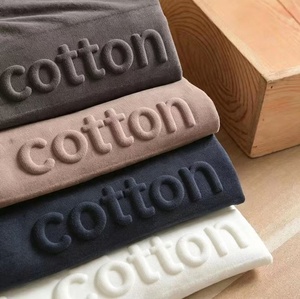
- Bangkok Urban Streetwear & Gen Z Brands (Siam Square, Thonglor, Ekkamai): High demand for heavy-density, vintage acid-washed oversized t-shirts (240GSM to 280GSM). Key features include drop-shoulder cuts, reinforced double-needle cover stitching, 3D silicone embossing, and high-density puff printing that retains structural elasticity through frequent laundering.
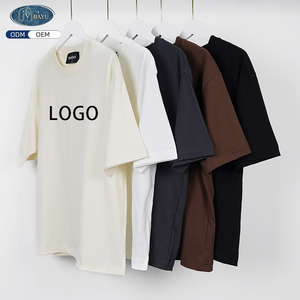
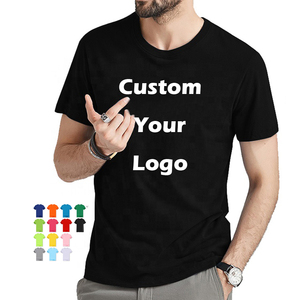
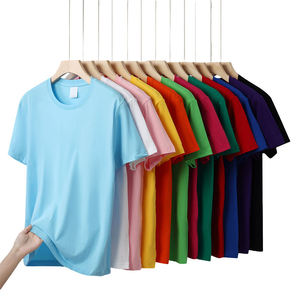
- Wholesale & Commercial Retail Networks (Pratunam Market, Chatuchak Weekend Market, Bobae Market): Fast-turnaround blank stock and white-label programs. Retail importers require pre-shrunk, bio-washed 180-220 GSM 100% cotton crew necks with tear-away labels, ready for immediate localized custom screen printing or direct-to-garment (DTG) execution.
- Hospitality, Marine & Resort Workwear (Phuket, Koh Samui, Pattaya, Chiang Mai): Premium resort polo shirts, woven linen-blend button-downs, and anti-UV (UPF 50+) protective crew tees tailored for hotel staff, yachting crews, and eco-tourism guides. Fabrics must utilize low-liquor reactive dyeing to resist solar bleaching and saltwater erosion.
- Corporate & EEC Industrial Zone Enterprise Apparel (Rayong, Chonburi, Chachoengsao): High-volume industrial polo shirts and corporate workwear. Utilizing CVC (Chief Value Cotton) and poly-cotton pique blends engineered for breathability, color retention after 50+ industrial wash cycles, and custom embroidered corporate crests.
2. Localized Industry Trends Shaping Thai Apparel Sourcing
Procurement directors in Thailand are moving away from unverified low-cost suppliers in favor of auditable, environmentally compliant export partners. Key macro trends include:
- Alignment with Bio-Circular-Green (BCG) Economy Directives: The Thai Government’s BCG Economic Model strongly emphasizes sustainable manufacturing. Our production lines supply GOTS-certified organic cotton, GRS-certified recycled polyester (rPET harvested from post-consumer plastics), and zero-discharge dye processes, providing Thai importers with auditable Transaction Certificates (TC).
- RCEP & ASEAN Duty Optimization via Form E: Under the Regional Comprehensive Economic Partnership (RCEP) and China-ASEAN Free Trade Area agreements, qualified apparel shipments backed by official Form E Certificates of Origin enjoy preferential zero or reduced import tariff rates into Thai ports (Bangkok Port Klong Toey, Laem Chabang Port), significantly improving gross landing margins for Thai buyers.
- The Rise of Heavyweight & Boxy Fitting Silhouettes: Moving away from slim Asian-fit cuts of the early 2010s, modern Thai fashion consumers heavily lean toward relaxed, boxy street fits inspired by global luxury streetwear. Pattern drafting requires deeper armholes, wider chest spans, and structured neck collars that do not bacon-curl after washing.