Japanese Retail-Ready Custom Apparel Series
Engineered for high-end Japanese select shops, streetwear labels, and private label importers requiring strict adherence to fabric weight, sewing density, and zero-defect quality control.

Navigating the Japanese Apparel Market: Technical Sourcing & Quality Thresholds
An in-depth white-paper breakdown of trade standards, consumer preferences, and supply chain protocols required when exporting custom garments from China to Japanese buyers.
"City Boy" & Heavyweight Aesthetics
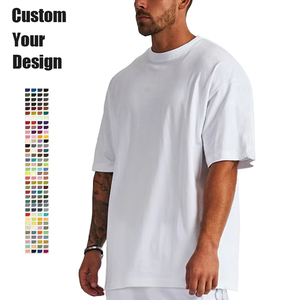
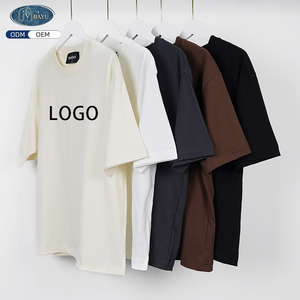
Japanese streetwear demands rigid, structured silhouettes (240 GSM to 300 GSM) with tight-knit 16s/1 or 21s/2 combed yarn. Drop-shoulder cuts must maintain balance without sagging, requiring high-density ribbing at the neck collars to prevent stretch after repeated washing.
- High-density 1x1 or 2x2 rib collars with twin-needle neck taping
- Silicone-enzyme biowashing for zero surface fuzz and smooth touch
- Boxy, oversized blocks tailored specifically to Asian proportions
Zero-Defect & Kenshin (検針) Protocol
Japanese customs, department stores (such as Isetan, Takashimaya), and select shop chains enforce absolute zero tolerance for broken needles or metal fragments. Goods must pass dual-pass conveyor needle inspection machines with a sensitivity threshold of 0.8mm ferrous sphere.
- 100% full-check needle inspection (検針) prior to export packing
- Strict AQL 1.0 / 1.5 final random inspection standards
- Formaldehyde testing compliance under Ordinance No. 34
RCEP Tariff Advantages & Logistics
Under the Regional Comprehensive Economic Partnership (RCEP), Chinese apparel manufacturers can issue Form RCEP Certificates of Origin, enabling Japanese importers to claim progressive tariff reductions. Our DDP air/sea freight routes bypass customs delays at Narita, Yokohama, and Osaka ports.
- Issuance of RCEP Certificate of Origin for preferential duty rates
- Direct DDP shipping solutions with Japanese tax clearing
- Pre-sorted, barcoded cartons optimized for Japanese distribution centers
SEO & Sourcing Executive Insight: "When selling apparel into the Japanese retail matrix, 'Quality' is not a marketing buzzword—it is a measurable engineering parameter. Japanese buyers evaluate stitch density (SPI: 12–14 stitches per inch), seam flat-felling, color fastness to rubbing (JIS L 0849 Grade 4+), and shrink rates under 3% after 5 domestic wash cycles. China manufacturers who master these technical specs gain a decisive competitive advantage over generalist suppliers."
Precision Apparel Application Scenarios Across Japan
From boutique fashion hubs in Tokyo to commercial enterprises in Kansai, our custom production pipelines are calibrated for specific localized buyer demands.
1. Harajuku & Shibuya Boutique Streetwear Brands
Context: Independent fashion labels and domestic streetwear brands in Harajuku, Cat Street, and Shibuya require small-batch, high-concept customized apparel. These brands pivot rapidly based on micro-trends, requiring short lead times and unique decoration capabilities.
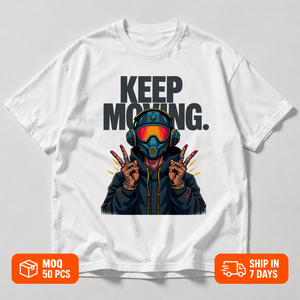
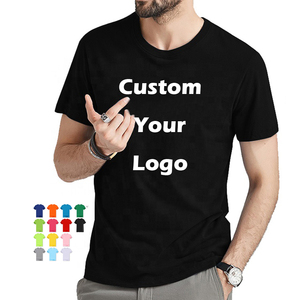
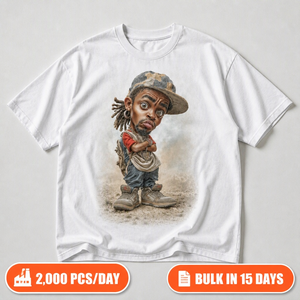
Our Solution: Low MOQ starting from 50–100 pieces per style with specialized print techniques: 3D high-density silicone embossing, acid/mineral vintage washing, puff screen printing, and DTG digital graphic prints on 280-300 GSM heavyweight cotton drop-shoulder tees.
2. Corporate Workwear & Event Apparel in Tokyo & Osaka
Context: Japanese corporate enterprises, IT firms, tech conferences, and service industry franchises require unified staff uniforms, polo shirts, and promotional t-shirts that reflect professional polish and exceptional wash durability.
Our Solution: Moisture-wicking CVC and anti-pilling poly-cotton knits with wrinkle-resistant treatments. Precision embroidery of corporate crests, custom woven neck labels, and standardized JIS L 4004 (Men's) and JIS L 4005 (Women's) size specs ensuring consistent fit across large teams.
3. Outdoor & Gorpcore Apparel for Alpine & Lifestyle Retailers
Context: Japan’s thriving outdoor culture (camping, trekking in Nagano/Hokkaido, urban Gorpcore aesthetics) demands functional tees and utility shirts with UV protection, quick-dry performance, and rugged tearing strength.
Our Solution: UPF 50+ sun protection fabrics certified to AS/NZS 4399 standards, cool-touch (接触冷感) yarn constructions, and double-needle flat-felled seam construction to withstand intensive outdoor activewear usage.
4. E-Commerce Private Label Sellers (ZozoTown, Rakuten, Amazon JP)
Context: E-commerce brands operating on ZozoTown, Rakuten Ichiba, and Amazon Japan need fully customized white-label / private-label programs with complete packaging compliance to maintain low return rates.
Our Solution: Individual polybagging with barcode stickers (JAN code / EAN code compatible), custom satin or cotton care labels printed in Japanese (conforming to Consumer Affairs Agency Textile Labeling Rules), and rapid stock replenishment capabilities.
Why Leading Japanese Brands Partner With Our China Operations
20+ years of garment manufacturing mastery, combining scalable production capacity with uncompromising quality control.
Custom Tech Pack Engineering
Our in-house pattern masters translate hand-sketches, tech packs, or sample garments into digitized CAD cut plans. We optimize marker layouts to minimize fabric waste while strictly adhering to Japanese size grading curves (JIS L Series).
Audited Compliance Facilities
Our manufacturing nodes hold international social and environmental compliance certifications including OEKO-TEX Standard 100, BSCI, ISO 9001, SA8000, and Walt Disney FAMA approvals, backed by lab test reports supplied with every production run.
Technical Spec Comparison: Specialized Japan Supply vs. Standard Overseas OEM
A side-by-side technical evaluation demonstrating our specialized manufacturing protocols designed specifically for Japanese commercial standards.
| Manufacturing Metric | Our Specialized OEM/ODM Service | Standard Overseas Garment Factory |
|---|---|---|
| Kenshin (検針) Needle Inspection | ✓ 100% Dual-Stage Conveyor Check (0.8mm Ferrous) | ✕ Optional / Single manual inspection |
| Pattern Sizing Rules | ✓ Native JIS L 4004 / L 4005 Japanese Grading | ✕ Standard Western scaling (Distorts sleeve/shoulder) |
| MOQ Flexibility | ✓ Low MOQ from 50 pcs (Blanks) / 100 pcs (Custom) | ✕ 500 – 1,000 pcs per color minimum |
| Formaldehyde & Chemical Testing | ✓ Compliant with MHLW Ordinance No. 34 (< 0.05 abs) | ✕ Standard export dyes (Risk of import rejection) |
| Custom Tariff Documentation | ✓ Direct RCEP Certificate of Origin Issued | ✕ General CO or standard non-preferential rates |
| Advanced Print Capabilities | ✓ 3D Silicone Emboss, DTG, Acid Wash, Puff, DTF | ✕ Basic Screen Print / Sublimation only |
| Sample Turnaround Time | ✓ 7 – 10 Working Days with Digital Proofs | ✕ 15 – 25 Days minimum |
| Quality Inspection Standard | ✓ Strict AQL 1.0 / 1.5 Final Audit | ✕ Standard AQL 2.5 / 4.0 Audit |
Frequently Asked Questions for Japanese Apparel Importers
Direct answers regarding chemical compliance, sizing adjustments, shipping logistics, and custom fabric development.
What are the mandatory compliance standards for importing clothing into Japan?
Apparel imported into Japan must comply with the Household Goods Quality Labeling Act (requiring Japanese fiber content labels and care symbols), the Law for the Control of Household Products Containing Harmful Substances (strictly limiting formaldehyde content to undetectable levels for infants and < 75 ppm for adults), and mandatory needle detection (Kenshin 検針) protocols enforced by major buyers.
How do your factories adapt Western sizing to the Japanese JIS size framework?
Rather than simply shrinking dimensions proportionally, our pattern engineering team re-drafts armhole curvature, shoulder slants, chest width ratios, and total body lengths according to JIS L 4004 (Men’s) and JIS L 4005 (Women’s) standard tables. This ensures your apparel fits Japanese consumers perfectly, reducing e-commerce return rates.
Can you supply RCEP Certificates of Origin to lower Japanese import tariffs?
Yes. As a certified Chinese manufacturer, we issue official RCEP (Regional Comprehensive Economic Partnership) Certificates of Origin with every qualifying shipment. This document grants preferential reduced customs duty rates when importing knitted and woven apparel into Japan.
What is your minimum order quantity (MOQ) for custom streetwear and t-shirts?
Our blank stock program allows orders starting at just 50 pieces per style. Custom cut-and-sew production (including custom garment dyeing, acid wash, custom prints, or specialized fabrics) starts at 100 pieces per colorway, making it ideal for independent Harajuku brands and boutique capsule collections.
What needle inspection (検針 - Kenshin) certificates do you provide?
All production lots destined for Japan pass through our conveyor-type dual-head needle detection machines (calibrated to 0.8mm ferrous test balls). We issue official Kenshin inspection reports and attach pass-stickers to master cartons prior to container loading.
What are the shipping options and typical lead times to Tokyo or Yokohama ports?
Pre-production sample development takes 7 to 10 working days. Bulk production takes 12 to 18 days for blank stock and 25 to 30 days for full custom cut-and-sew orders. Express air freight to Narita/Haneda arrives in 3–5 days, while direct sea freight to Tokyo or Yokohama takes approximately 7–12 days.
Accelerate Your Apparel Line for the Japan Market
Partner with China's leading custom garment manufacturer equipped with Japanese JIS pattern engineering, 100% Kenshin needle detection, and low-MOQ flexibility. Download our complete 2026 apparel catalog and fabric specification sheet today.